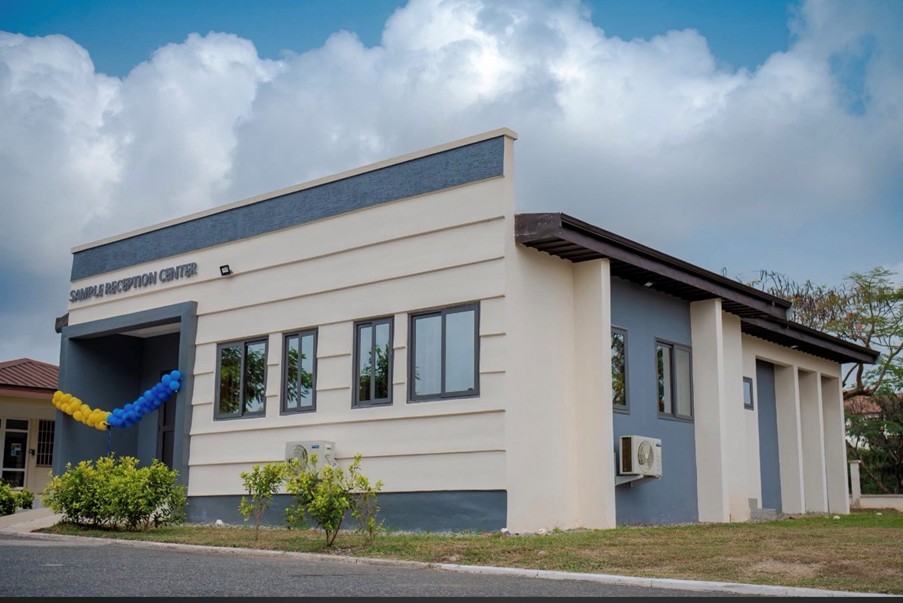
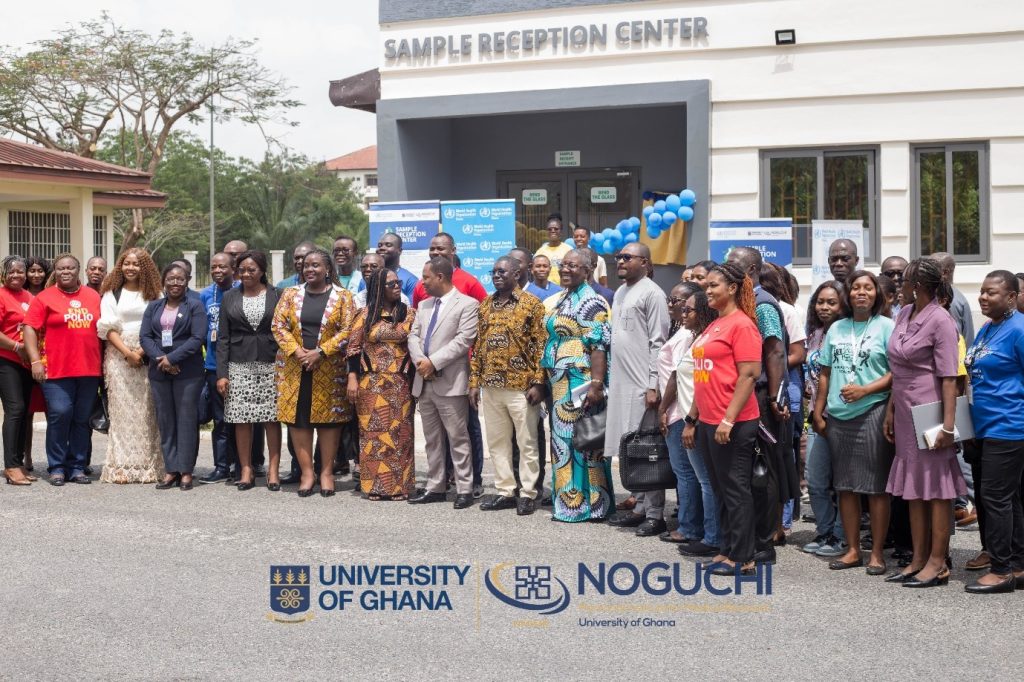
The Noguchi Memorial Institute for Medical Research (NMIMR) of the University of Ghana has commissioned a new Sample Reception Centre, marking a significant milestone in the continued strengthening of its laboratory systems and its contribution to public health in Ghana and across the West African subregion.
The commissioning ceremony, held at the Institute, underscored NMIMR’s commitment to enhancing laboratory operations, streamlining sample management processes and improving biomedical research delivery. The facility was constructed with support from the World Health Organization (WHO) at a total cost of USD 190,000 to improve the receiving, registration and temporary storage of clinical and environmental samples.
The purpose-built Centre provides secure and controlled spaces for handling samples, as well as designated waiting and sanitary areas to safeguard sample integrity and ensure traceability throughout the laboratory workflow. The structured design strengthens biosafety measures, documentation processes and data management systems in line with international standards.
The Director of NMIMR, Prof. Dorothy Yeboah-Manu, described the occasion as a defining moment in the Institute’s efforts to modernise and reinforce its laboratory systems. She noted that the commissioning represents not only an improvement in operational efficiency but also a strong demonstration of NMIMR’s strategic role in advancing public health research nationally and within the West African subregion.
She explained that in 2022, the Institute was identified as a beneficiary following recommendations by the WHO AFRO team after a comprehensive technical assessment of its designated site to determine the feasibility of establishing a dedicated sample reception facility. The assessment evaluated existing workflows and environmental systems, leading to the restructuring of key areas including waiting spaces, sanitary facilities, safety protocols, documentation procedures and data management systems.
According to her, the new Centre will significantly improve sample integrity and traceability by streamlining intake procedures and strengthening ICT networks. She added that the enhanced infrastructure will improve turnaround time for poliovirus investigations and environmental monitoring activities, which are critical components under the Global Health Security Agenda.
Prof. Yeboah-Manu expressed appreciation to partners, including the Gates Foundation, the Ghana Health Service and the Ministry of Health, for their collaboration and sustained support. She described the project as a clear demonstration of shared commitment to safeguarding public health and strengthening Ghana’s health security architecture.
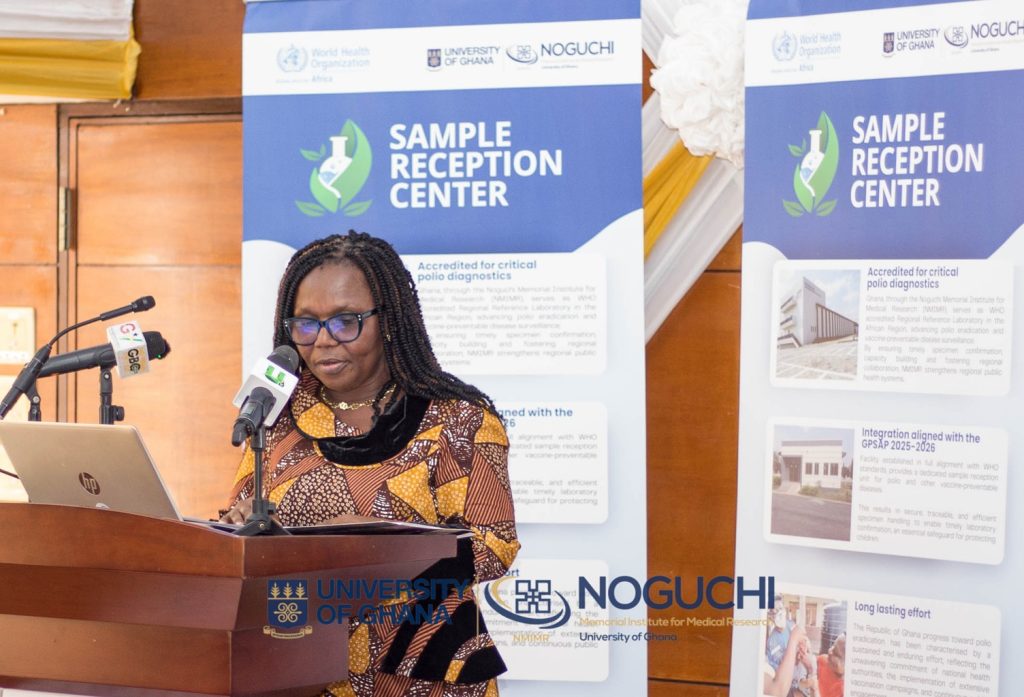
Prof. Dorothy Yeboah-Manu, Director of NMIMR, addressing the significance of the new facility.
The Provost of the College of Health Sciences, Prof. Alfred Edwin Yawson, highlighted the operational challenges previously encountered when samples from across the country were received without a dedicated reception facility. He indicated that following accreditation recommendations in 2024, the establishment of a proper Sample Receipt Centre became essential to maintaining quality standards.
He noted that as an ISO 15189-accredited institution, NMIMR is required to adhere strictly to internationally recognised standards in sample handling and laboratory processes. He described the Centre as the starting point of every diagnostic and research journey, enabling accurate classification, timely diagnosis and effective disease prevention and control.
Prof. Yawson expressed profound gratitude to the WHO and its partners for their generous support, stating that the investment reflects the confidence reposed in NMIMR’s mandate and technical capacity.
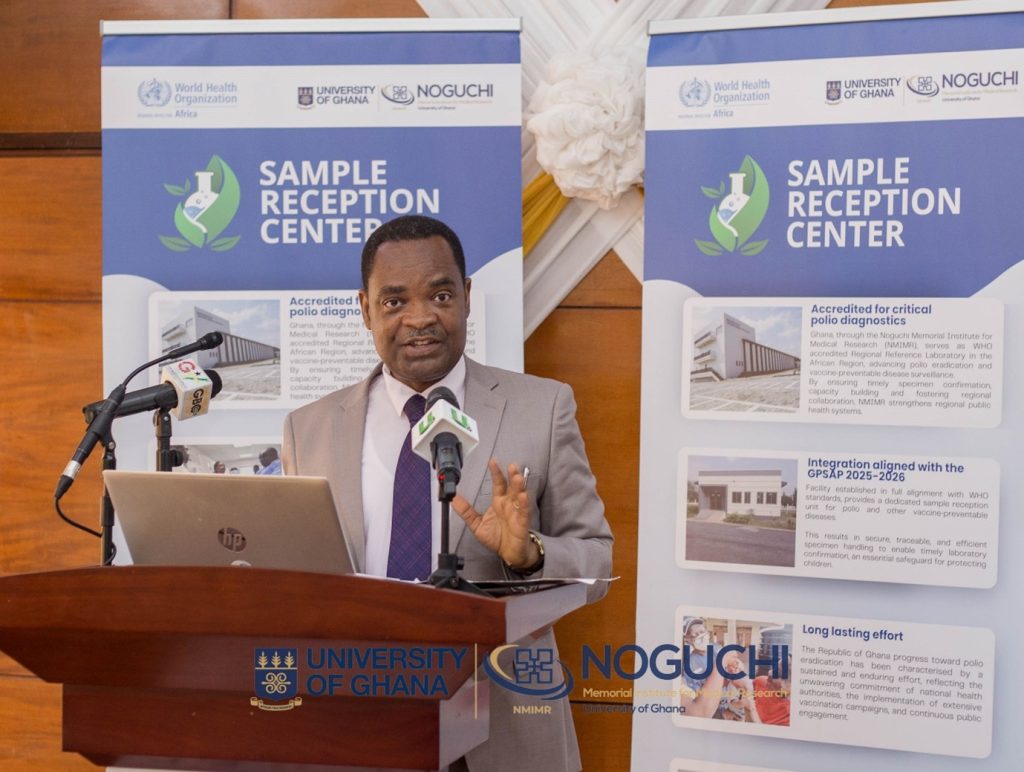
Prof. Alfred Edwin Yawson. Provost, College of Health Sciences highlighting the operational importance of the Sample Receipt Centre.
The WHO Representative to Ghana, Dr. Fiona Braka, commended the collaborative efforts that made the project possible and reaffirmed WHO’s commitment to supporting Ghana in strengthening laboratory capacity. She emphasised that robust laboratory systems are critical for detecting, confirming and responding swiftly to disease outbreaks, including polio.
She further noted that the new Sample Reception Centre will ensure that samples from across Ghana and neighbouring countries are received, registered and processed efficiently. This, she explained, will strengthen polio surveillance and enhance Ghana’s ability to monitor and respond to emerging health threats such as viral outbreaks and antimicrobial resistance.
Dr. Braka described well-equipped and resilient laboratories as a national, regional and global public good, adding that the commissioning of the facility represents not merely the opening of a building but a strategic step toward reinforcing Ghana’s health security framework.
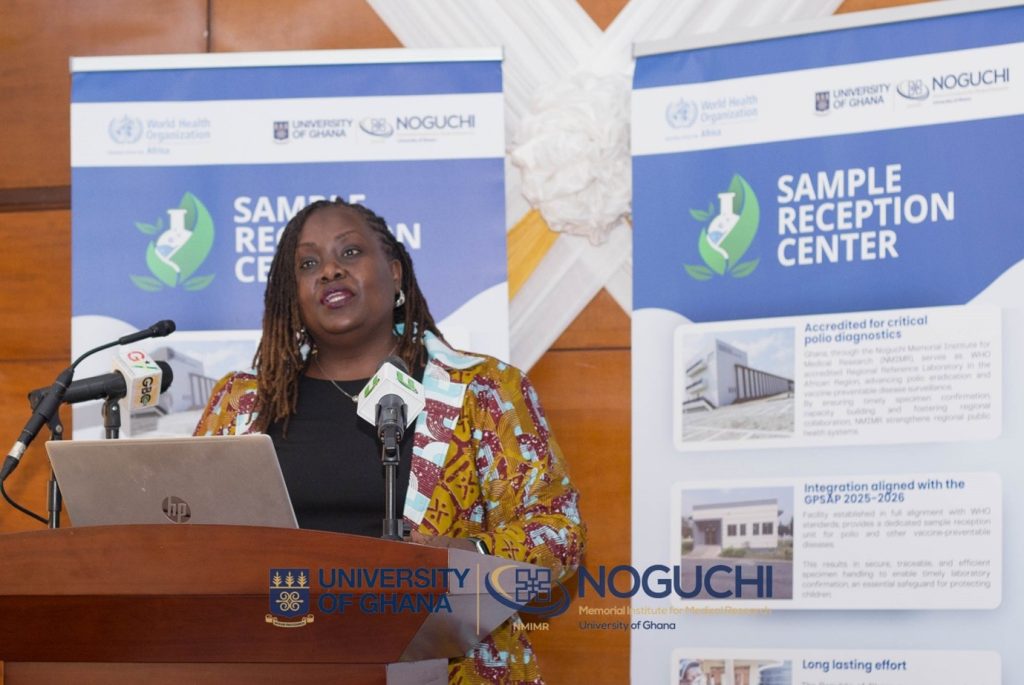
Dr. Fiona Braka of WHO emphasizing the role of resilient laboratories in disease surveillance.
After the official ceremony, Dr. Braka formally presented the symbolic key to the Provost, signifying the official handover of the facility and reflecting the strong partnership between NMIMR, WHO and their collaborators in advancing research excellence and public health protection in Ghana and beyond.
In his acceptance speech, the Provost, Prof. Alfred Edwin Yawson, assured the donor and collaborators that the facility would be put to optimal use and maintained in accordance with international best practices to sustain quality laboratory systems and deliver impactful research outcomes.
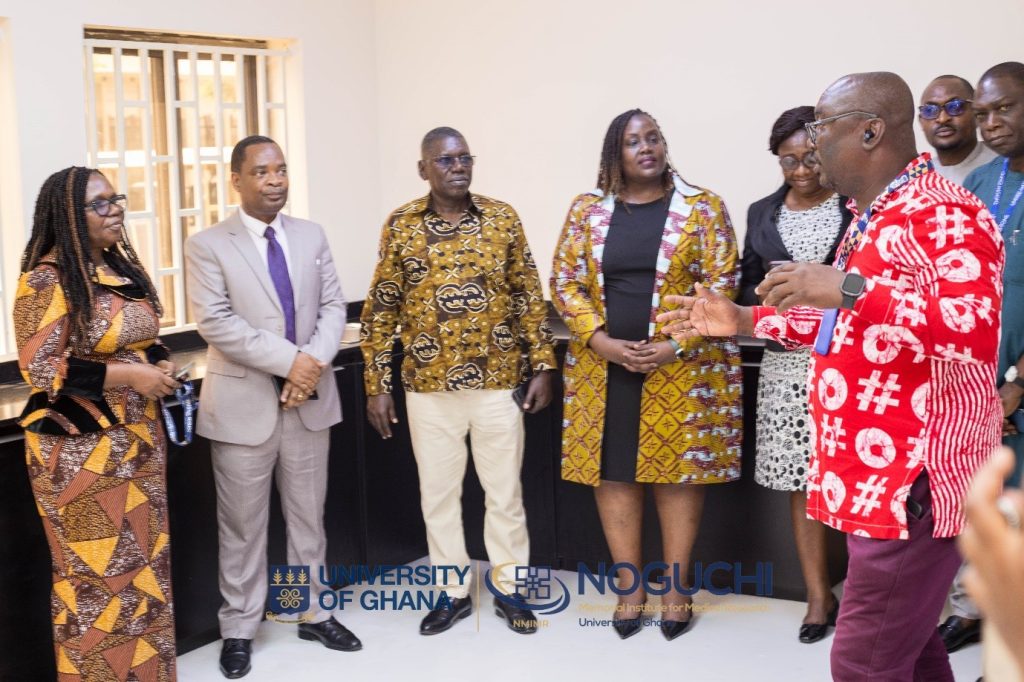
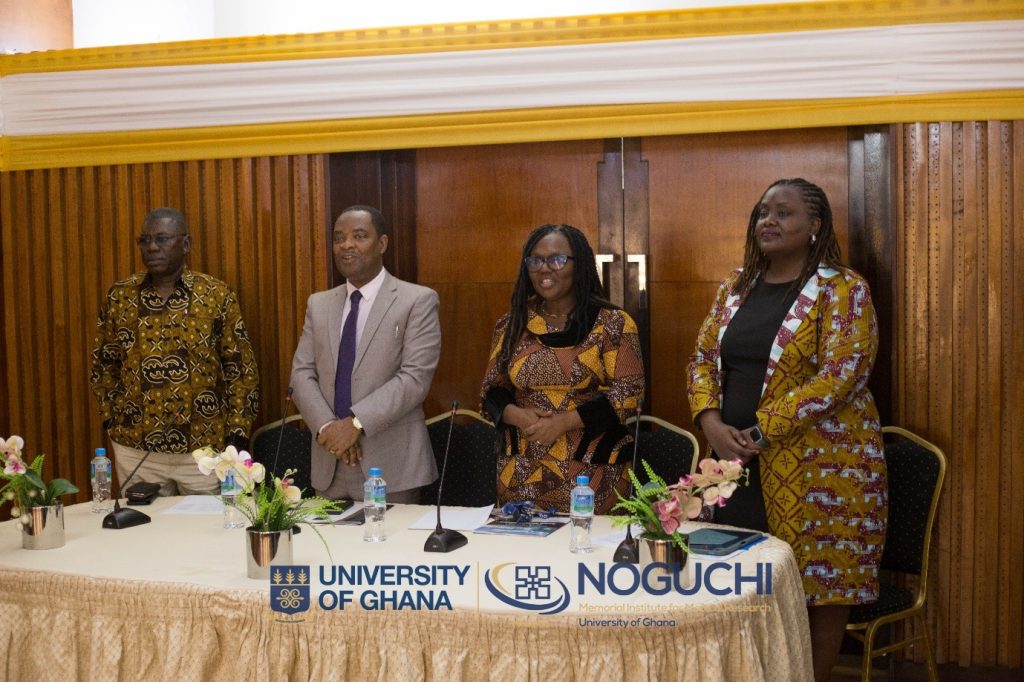
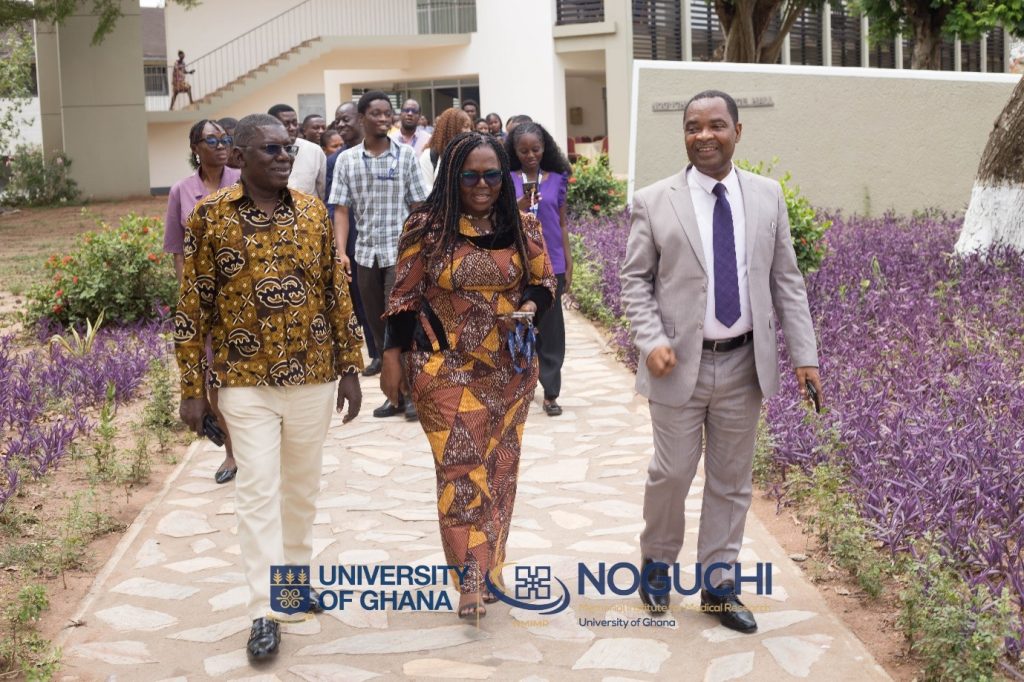
Other highlights from the event