

Dr. Sawudatu Zakariah-Akoto is a Research Fellow in the Department of Nutrition at the Noguchi Memorial Institute for Medical Research, University of Ghana. With expertise in food systems, qualitative nutrition research, and community-based interventions using Social Behaviour Change Communication (SBCC), she is pioneering practical solutions to improve maternal and child health, reduce anaemia, and promote healthier diets across Ghana.
Dr. Zakariah-Akoto’s work connects research with practical solutions that improve everyday lives. Through her studies on food systems, maternal nutrition, and community health, she helps families make healthier food choices that support the wellbeing of women and children across Ghana. She is also passionate about mentoring young researchers and ensuring that nutrition science reaches the communities that need it most. Her journey reflects curiosity, dedication, and a strong commitment to improving public health and building healthier communities for the future.
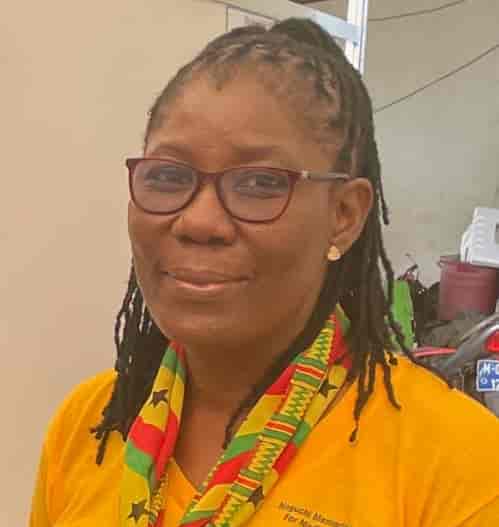
Dr. Sawudatu Zakariah‑Akoto, Research Fellow in Nutrition at the Noguchi Memorial Institute for Medical Research (NMIMR), University of Ghana
For this spotlight, Dr. Sawudatu Zakariah‑Akoto shares the experiences that shaped her career, the lessons learned from working with communities, and the contributions her research is making to public health.
Priscilla Kissi: Every journey begins with inspiration. What inspired you to choose nutrition as your career path?
Dr. Akoto: My journey started with a background in social science. I studied sociology and development and later public health, which exposed me to community nutrition. Growing up, I often had to care for children and ensure they were well-fed, and that experience shaped my interest in nutrition. Later, during my first degree, I joined a food security project at NMIMR. For the first time, I saw how nutrition research could move beyond theory into practical realities, including urban farming household food security, and children’s feeding. That project shifted my trajectory and made me realize that nutrition is about people’s everyday lives, not just laboratory science.
Priscilla Kissi: Was there a particular experience that made you realize nutrition research could change lives?
Dr. Akoto: Yes. Early in my career, I worked on a project that examined malnutrition in households that raised chickens. We discovered that children in these households often had higher rates of undernutrition and illness, likely because they played in compounds contaminated with chicken droppings. When we educated families about hygiene and separating livestock from living spaces, the transformation was remarkable. Six months later, compounds were cleaner, and families were healthier. That experience taught me that research must give back to communities. Otherwise, its purpose is lost.
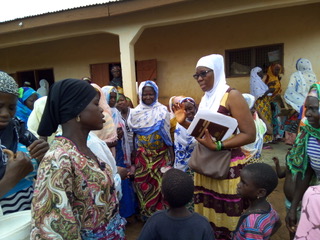
Dr. Akoto educating families on how simple hygiene practices could transform community health.
Priscilla Kissi: Nutrition can sound technical. How would you explain your work in everyday language?
Dr. Akoto: Simply put, nutrition is the study of food and how it usage affects our health and wellbeing. My work looks at why people eat what they eat, how traditions and cooking practices shape diets, and how we can encourage healthier choices that improve nutrition and wellbeing
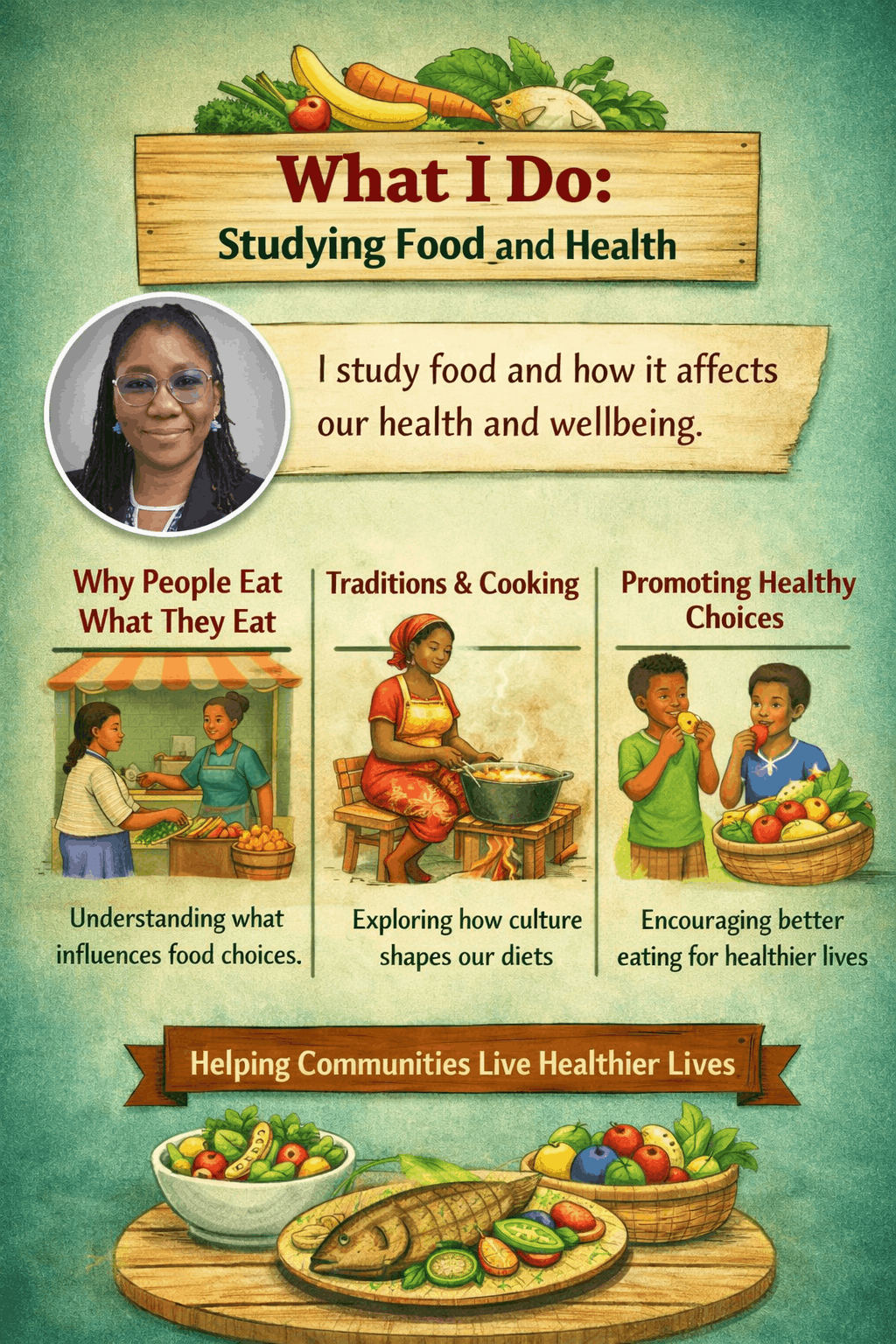
Dr. Akoto’s visual explanation of nutrition and health
Priscilla Kissi: Culture and tradition shape what families eat. What role do cooking practices and food traditions play in shaping women’s and children’s diets?
Dr. Akoto: Culture is powerful. In many communities, men dominate food production, but women drive food preparation. Yet traditions often dictate what women and children can eat, sometimes restricting eggs or certain meats. Cooking practices also matter how food is processed, the amount of oil or sugar used, all influence diet quality. That’s why I study these practices closely, because they directly affect nutrition outcomes for women and children.
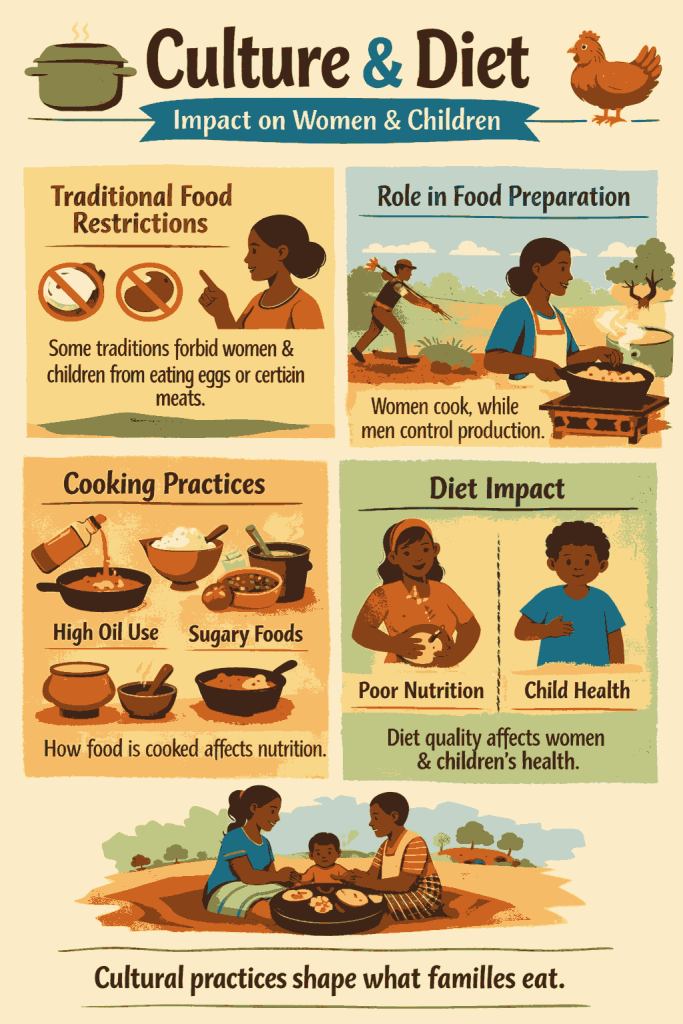
An image highlighting how cultural traditions and cooking practices shape nutrition in women and children
Priscilla Kissi: Your current projects focus on maternal health. Can you share how your work helps pregnant women?
Dr. Akoto: One of my projects integrates nutrition into antenatal care to reduce anaemia among pregnant women. Anaemia is a serious challenge in Ghana, and by embedding nutrition interventions into routine care, we can reach women early and improve outcomes for both mothers and babies. I’ve also worked on breastfeeding and complementary feeding, showing that exclusive breastfeeding up to 18 months can significantly improve child growth and immunity. These findings have influenced national nutrition policies and guidelines.
Priscilla Kissi: Looking back, which achievement makes you most proud?
Dr. Akoto: My work on local food systems in northern Ghana stands out. It was my PhD project, and though it was challenging, it revealed how culture and tradition strongly influence diets. That research did not only shape my career but also contributed to Ghana’s food-based dietary guidelines (FBDG), a national policy that helps families combine local foods for better nutrition.
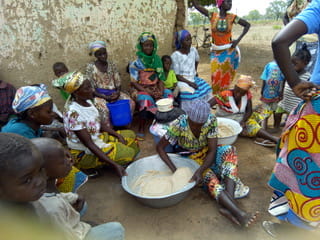
An image demonstrating local food traditions in the Northern Ghana
Priscilla Kissi: Finally, what advice would you give to young students who want to study nutrition and public health?
Dr. Akoto: Go into science because you are passionate and curious about it. Be persistent, define your purpose, and find mentors who can guide you because even the most intelligent person needs someone to open doors. Above all, remember that nutrition research is about people. Keep ethics at the centre of your work, and if you place communities at the heart of what you do, your impact will last for generations.
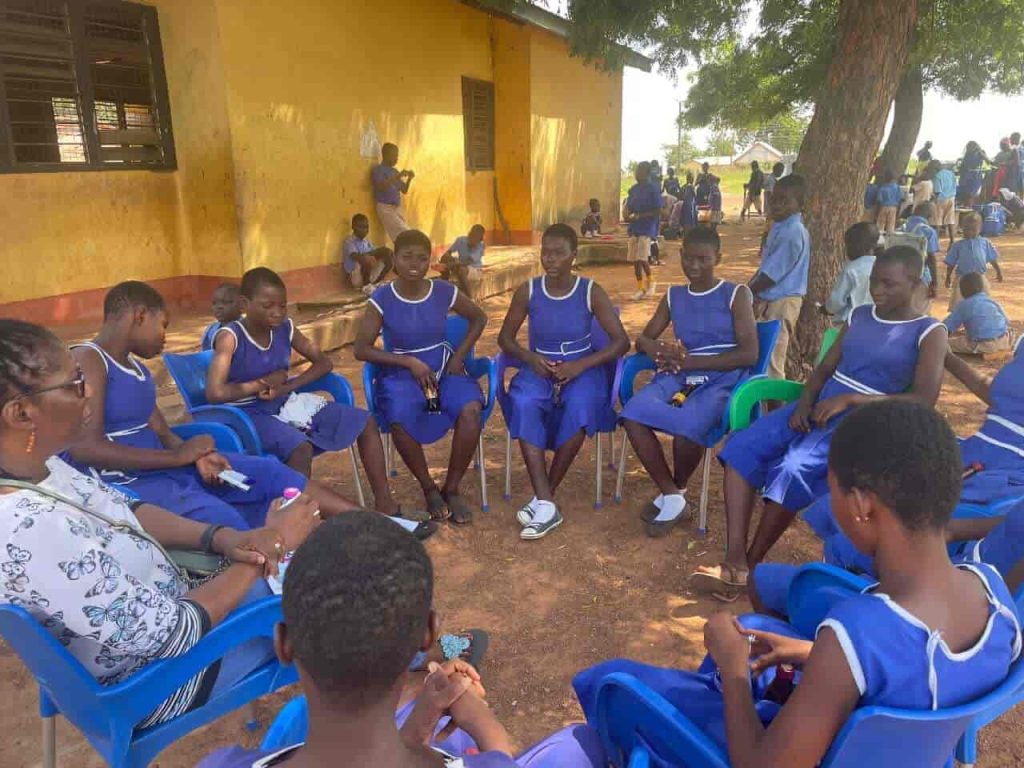
Dr. Zakariah Akoto with young scientists, reminding them that passion, persistence, and people must drive science.
Priscilla Kissi: We appreciate your insights and your commitment to advancing nutrition and public health.
Dr. Akoto: Thank you. I’m grateful for the chance to share my journey and hope it helps others find theirs