ISO 15189:2022 Accredited: Trusted in Biomedical Excellence
Follow us :
NMIMR Hosts Thought-Provoking Institutional Seminar on Animal Rights and Ethical Research
The Noguchi Memorial Institute for Medical Research (NMIMR) convened a compelling Institutional Seminar on Tuesday 3rd March 2026 at the Noguchi Conference Hall, bringing together staff of the Institute and members of the University community for an engaging discussion on the ethical dimensions of the use of animals in biomedical research. The seminar was held under the theme: “Do Animals Have Rights? A Researcher’s Perspective from NMIMR.”
The session examined the complex ethical considerations surrounding the use of animals in biomedical research, an area that has been instrumental in advancing medicine, including the development of vaccines, therapeutics, and diagnostic technologies. While animal models remain vital to scientific discovery, their use continues to generate important discourse regarding moral status, welfare, and rights.
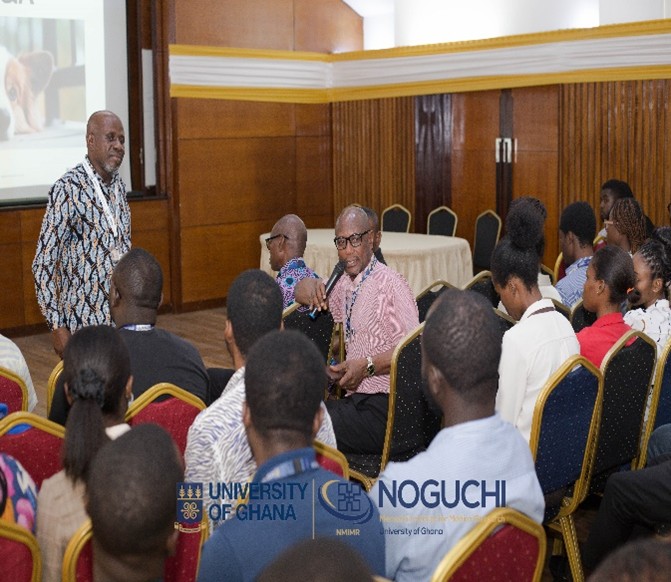
Delivering the presentation, Dr. Samuel Adjei, Senior Research Fellow at NMIMR and Head of the Department of Animal Experimentation, provided a thoughtful and balanced overview of the animal rights debate. He distinguished clearly between the philosophical concept of animal rights and the regulatory framework of animal welfare, explaining how these perspectives inform ethical decision-making in biomedical research.
Dr. Samuel Adjei, Head of the Department of Animal Experimentation and Senior Research Fellow at NMIMR, delivering a presentation on animal rights and ethical research.
Dr. Adjei outlined the comprehensive ethical governance structure that regulates animal experimentation at NMIMR, highlighting institutional oversight through the University of Ghana Institutional Animal Care and Use Committee (UG-IACUC). He emphasised the Institute’s strict adherence to internationally recognised ethical principles, notably the 3Rs (Replacement, Reduction, and Refinement) and the 5Fs (Freedom from hunger and thirst; Freedom from discomfort; Freedom from pain, injury, or disease; Freedom to express normal behaviour; and Freedom from fear and distress) all of which are intended to minimise animal use and uphold the highest standards of humane care and welfare. He further detailed the stringent veterinary care, housing, and husbandry standards implemented to safeguard animal welfare throughout the research lifecycle.
Underscoring the moral responsibility of researchers, Dr. Adjei stressed that the use of animals must be scientifically justified, ethically reviewed, and directed toward meaningful societal benefit. He noted that ethical animal research extends beyond regulatory compliance and must be rooted in a culture of care, accountability, and respect. Concluding his presentation, he reflected: “The history of animals has been one of human utility. The future must be one of partnership. The question is not merely ‘Do they have rights?’ but rather, ‘How soon will our laws reflect this partnership?”
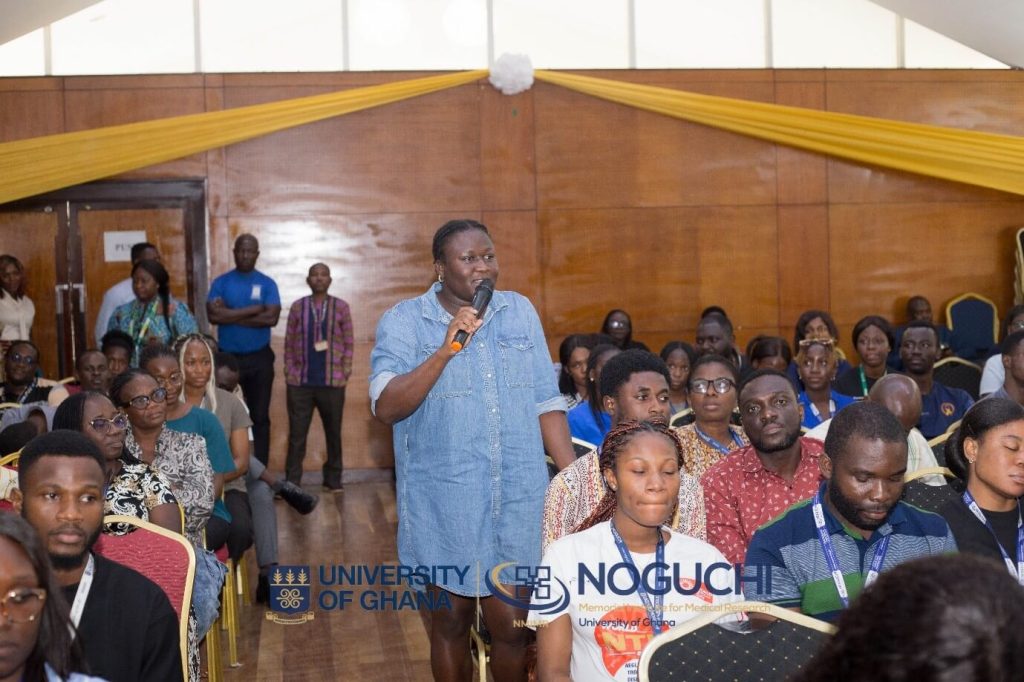
The seminar concluded with a dynamic question-and-answer session, during which participants engaged actively on both practical and philosophical issues in animal research. Discussions addressed alternative methods to reduce animal use, ethical oversight mechanisms, and the evolving role of animal welfare in preclinical studies. Dr. Adjei’s responses reinforced the Institute’s commitment to transparency, ethical responsibility, and sustained dialogue with the broader research community.
Participants actively engaging in the question-and-answer session on ethical and practical considerations in animal research.
The event provided a valuable platform for reflection and intellectual exchange, reaffirming NMIMR’s dedication to advancing scientific innovation while upholding the highest standards of ethical research practice.
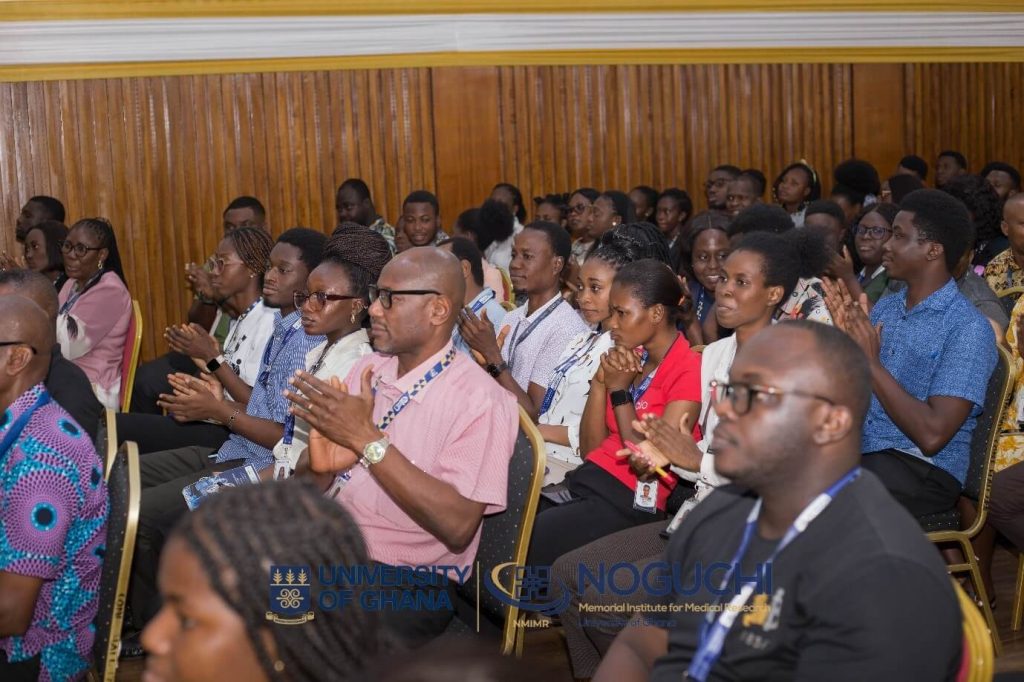
Highlights from the Institutional Seminar on Animal Rights and Ethical Research.