
Following the recent reports of a hantavirus cluster aboard the MV Hondius cruise ship—currently anchored off the coast of Cabo Verde after departing Argentina—The Noguchi Memorial Institute for Medical Research (NMIMR) issues this statement regarding our institutional readiness to support national and regional diagnostic needs.
- Current Situation Overview
As of May 4, 2026, the World Health Organization (WHO) and Africa CDC indicate two laboratory-confirmed and five suspected cases associated with the vessel resulting in three fatalities.
- Diagnostic & Testing Capacity
The VHF and the Arboviral Unit of the Department of Virology, NMIMR, UG, maintain robust diagnostic protocols for high-consequence zoonotic viruses including suspected cases of Hantaviruses. Given the experience with rodent-borne pathogens including Lassa fever, Mpox and Rift Valley fever that the Department has conducted in recent times, transitioning to Hantavirus testing is logical.
Our laboratory is prepared to handle suspected cases through the following capacities:
- Molecular Diagnostics: We utilize Polymerase Chain Reaction (PCR) for the rapid detection of orthohantavirus RNA. Our assays are designed to detect a broad range of hantavirus species, including the Andes virus strain suspected in this outbreak.
- Serological Testing: Our facility is equipped to perform ELISA for the detection of IgM and IgG antibodies, essential for identifying recent or past infections in patients who may have cleared the viral load.
- Genomic Sequencing: With our established genomic hub, we possess the capability for Next-Generation Sequencing (NGS) to characterize viral strains, which is critical for determining the origin of the infection and assessing the potential for human-to-human transmission.
- Biosafety and Containment
Given that hantaviruses are primarily transmitted via aerosolized rodent excreta and can cause severe Hantavirus Pulmonary Syndrome (HPS), all suspected specimen processing is conducted under Biosafety Level 3 (BSL-3) conditions. Our staff are trained in stringent biosecurity measures to ensure the safety of personnel and the surrounding community.
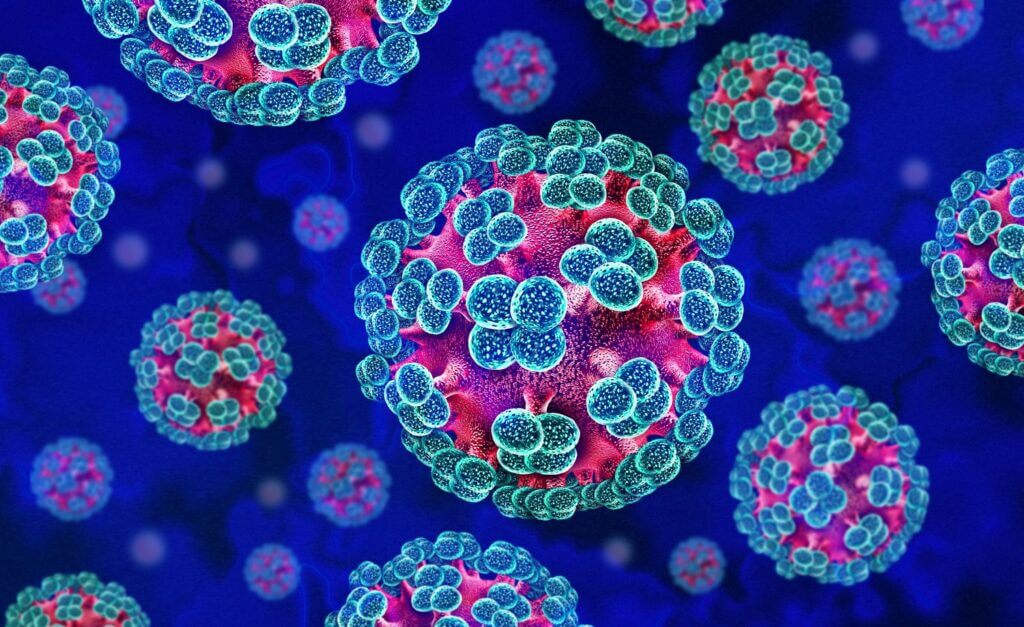
Image source: UK Health Security Agency-GOV.UK blogs