Mosquitoes may be small, but their impact on public health is enormous. They transmit diseases such as malaria and dengue that continue to pose significant health challenges, particularly in tropical regions.
In Ghana, while malaria remains a major public health concern, the changing mosquito-borne disease landscape highlights the need for continued research, public education and effective approaches to prevention and vector control. This includes strengthening understanding of mosquito populations, their behaviour and the factors that influence disease transmission. NMIMR’s research activities include vector surveillance and control, mosquito microbiome interactions and studies of insecticide resistance, among other areas.
It was against this background that the Vector Research Group (VRG) of the Noguchi Memorial Institute for Medical Research (NMIMR) commemorated World Mosquito Day 2026 with a week-long programme of scientific engagement, media outreach and public education.
Observed annually on 20 August, World Mosquito Day provides an opportunity to raise awareness about mosquito-borne diseases, promote preventive measures and highlight the importance of research and innovation in vector control.
As part of the commemoration, the Vector Research Group embarked on a series of traditional media engagements from 17 to 21 August. Researchers engaged radio, television and print media to discuss the public health importance of mosquitoes, preventive measures and the need for stronger community participation in vector control. The engagements also provided an opportunity to communicate NMIMR’s research on vector-borne diseases to a wider audience in accessible and practical ways.
A major scientific highlight of the commemoration was a virtual webinar held on 19 August on the topic, “Beyond Malaria: The Future of Mosquito-Borne Disease Control.” The webinar brought together researchers, public health practitioners, students and other stakeholders to discuss critical developments in vector control and public health strategies for mosquito-borne diseases beyond malaria.
The webinar featured Prof. Kingsley Badu, Associate Professor, Department of Theoretical and Applied Biology, Kwame Nkrumah University of Science and Technology (KNUST); Dr. Noah H. Rose, Assistant Professor, University of California San Diego, USA; and Dr. Hilarius A.K. Abiwu, Programme Manager, National Malaria Elimination Programme (NMEP), Ghana Health Service.
The discussions drew attention to the need to strengthen vector surveillance and control strategies in response to changing disease patterns. They also highlighted the importance of research, innovation and collaboration in addressing mosquito-borne diseases beyond malaria.
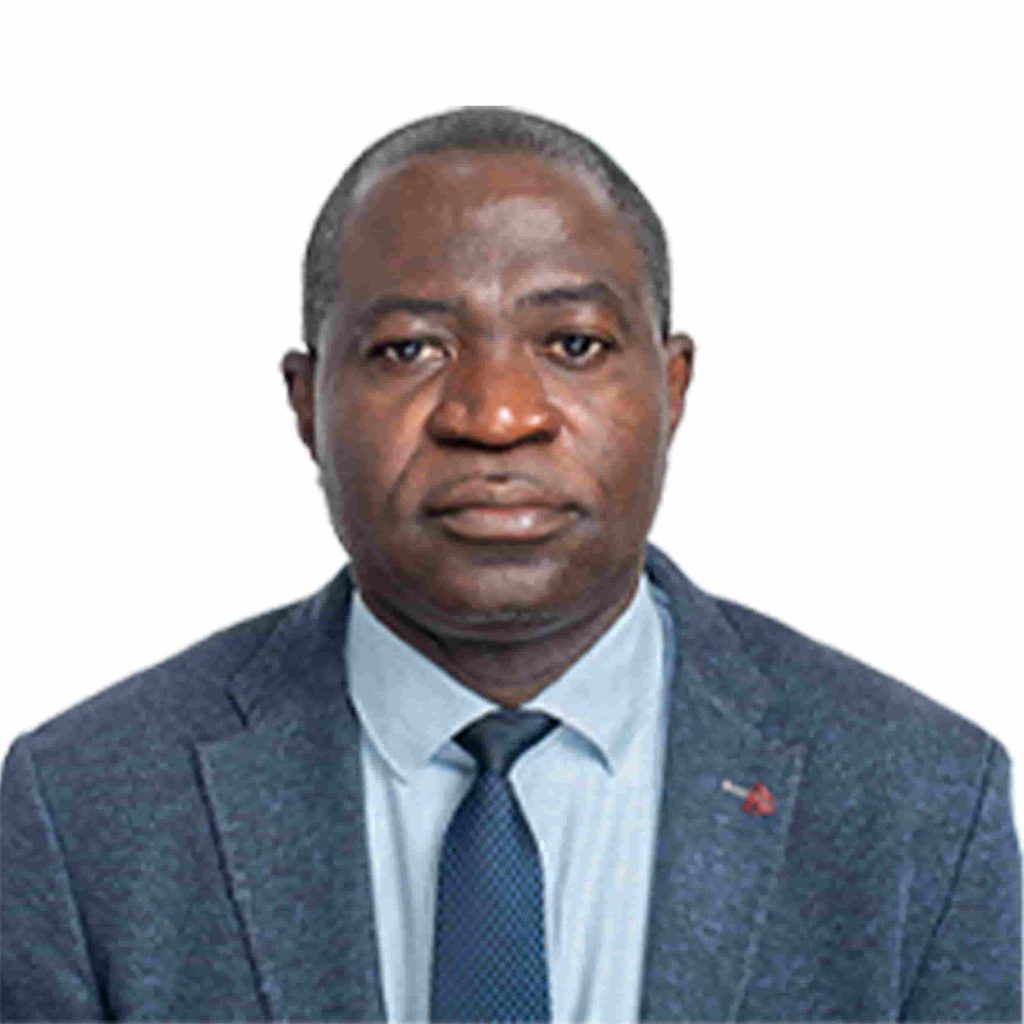

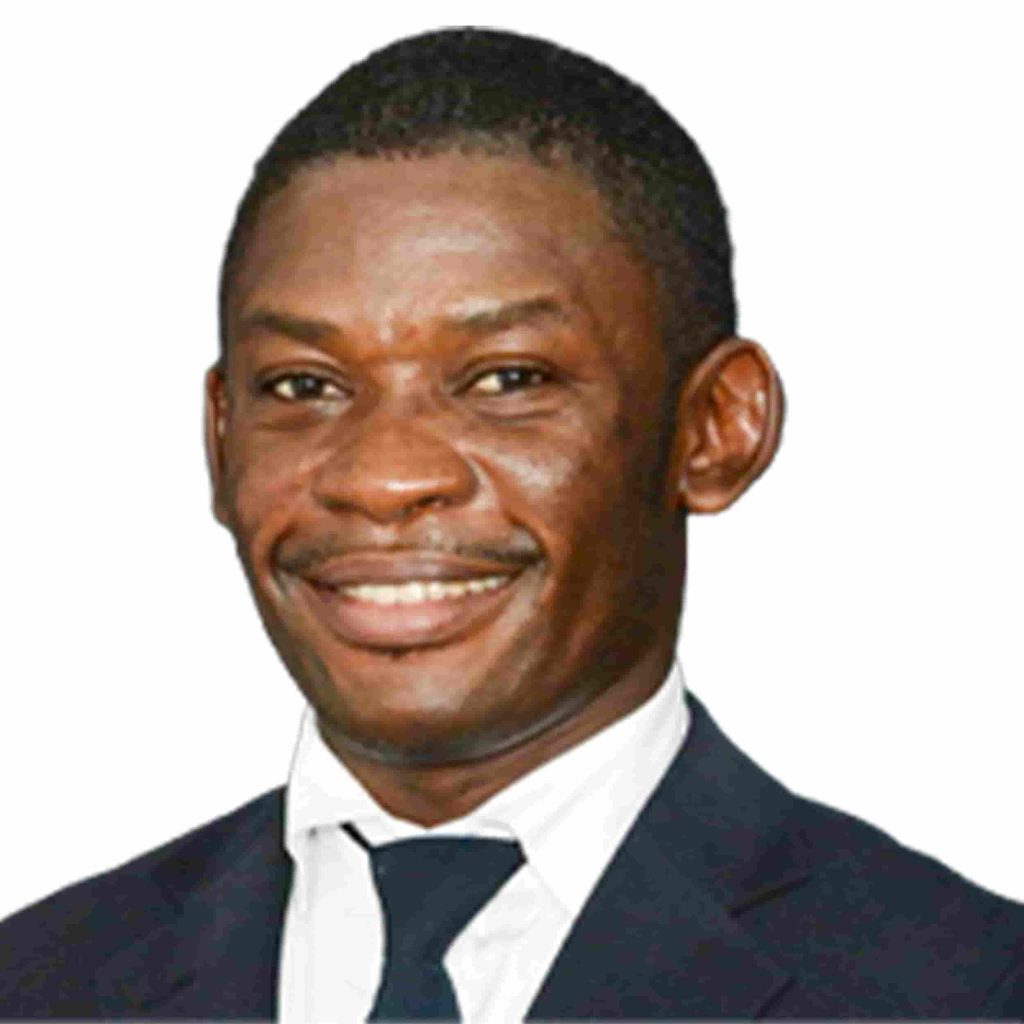
Pictured from left: Prof. Kingsley Badu, Associate Professor, Department of Theoretical and Applied Biology, KNUST; Dr. Noah H. Rose, Assistant Professor, University of California San Diego, USA; and Dr. Hilarius A.K. Abiwu, Programme Manager, National Malaria Elimination Programme (NMEP), Ghana Health Service, speakers at the World Mosquito Day 2026 webinar.
The National Malaria Elimination Programme’s participation in the webinar and media engagements strengthened the connection between research and Ghana’s national efforts to control and ultimately eliminate malaria while addressing other mosquito-borne diseases threats. It also highlighted the importance of collaboration between research institutions and public health programmes in addressing vector-borne diseases.
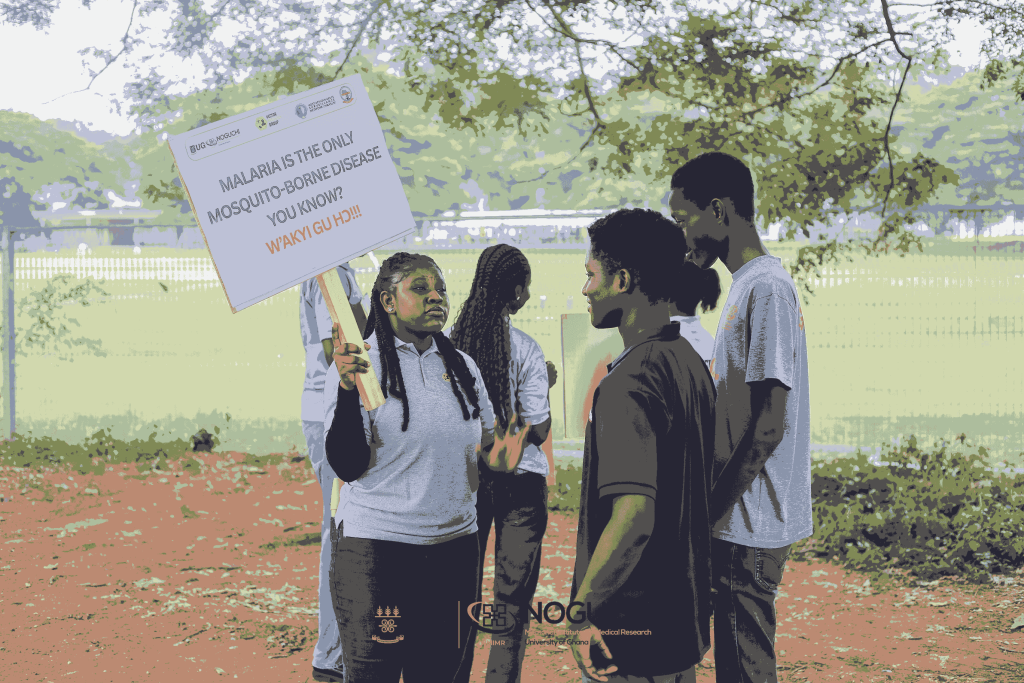
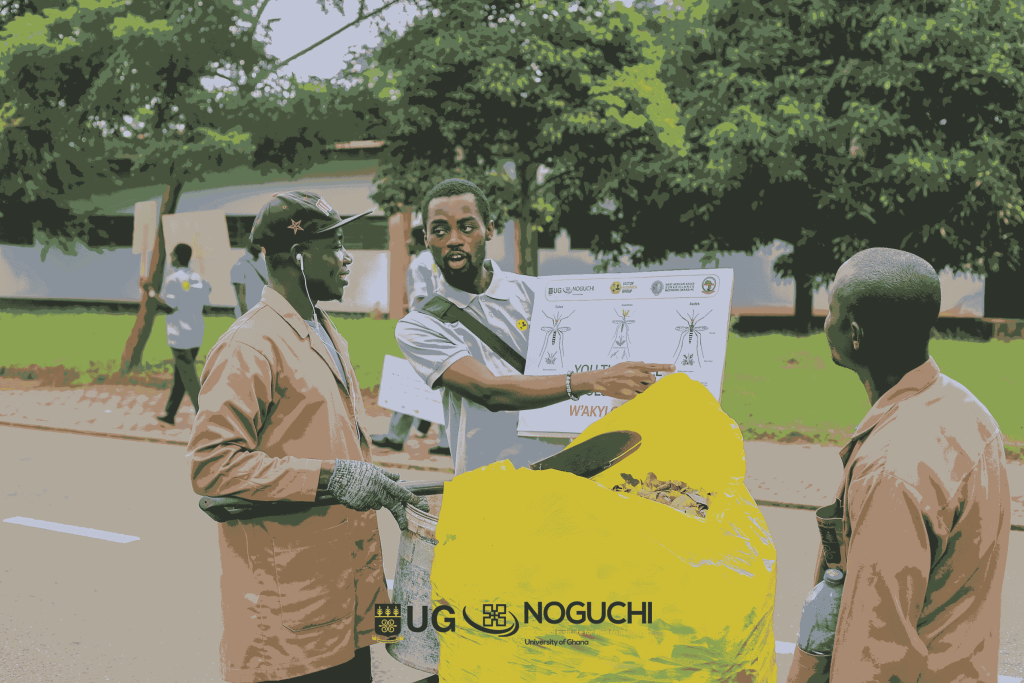
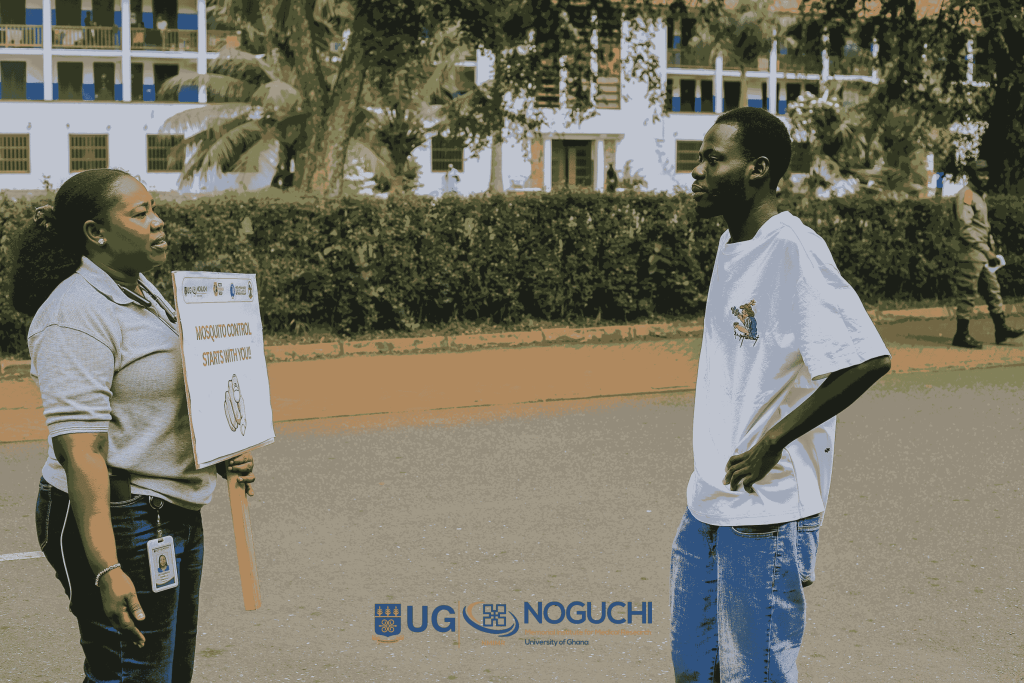
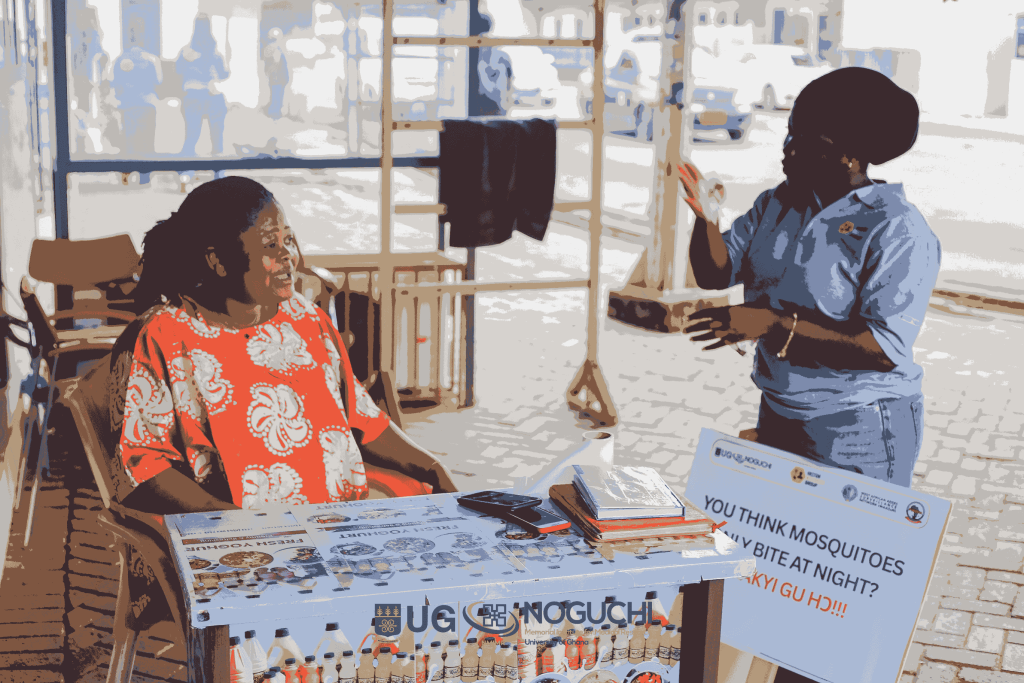
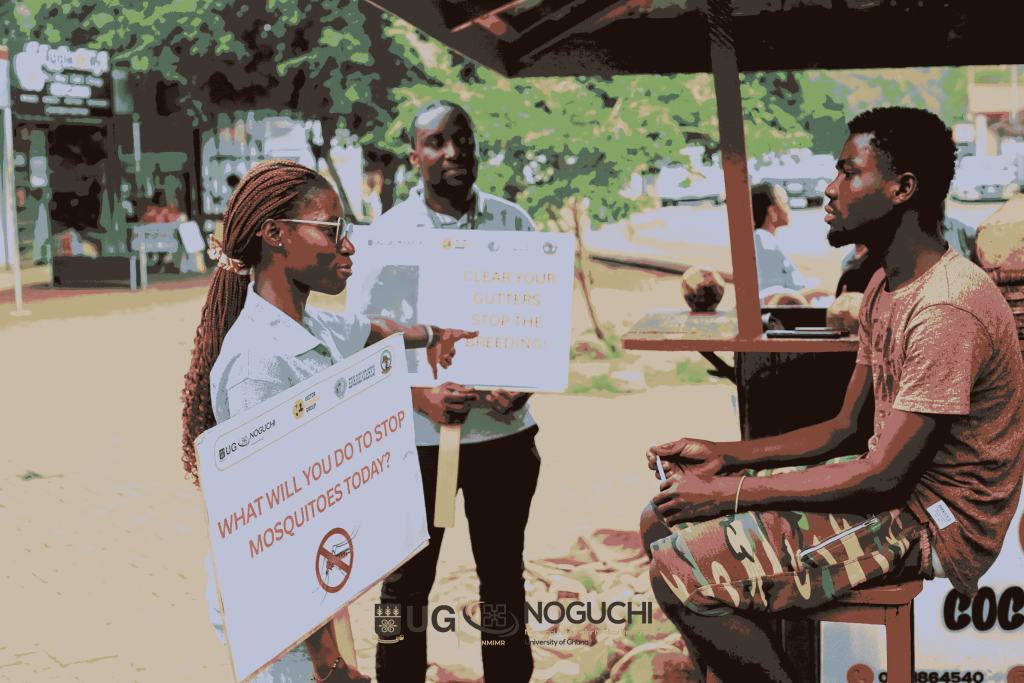
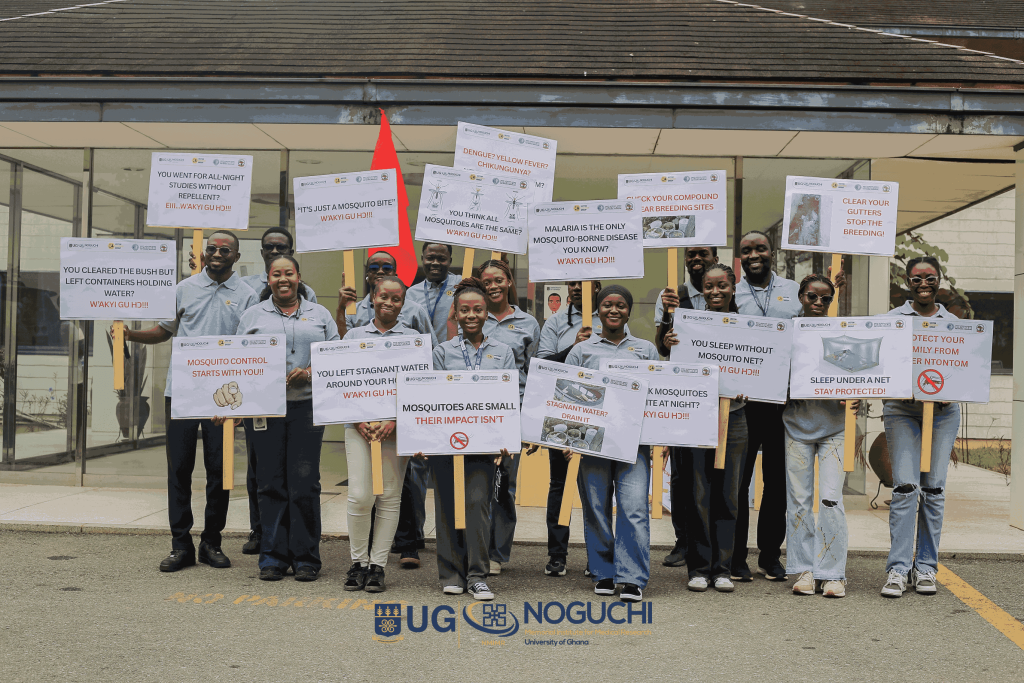
The commemoration reached its climax on 20 August with the University of Ghana Community Awareness Walk, which took the World Mosquito Day message directly to the University community.
Coordinated by Dr. Danielle Ladzekpo, Medical Entomologist and member of the Vector Research Group at NMIMR, the walk provided an opportunity to engage members of the University community on mosquito-borne diseases and practical preventive measures.
Dr. Ladzekpo emphasised the importance of prevention and individual responsibility in reducing the risk of mosquito-borne diseases. She encouraged members of the community to remain vigilant and adopt practical measures to protect themselves and their families from mosquito bites and mosquito-borne infections.
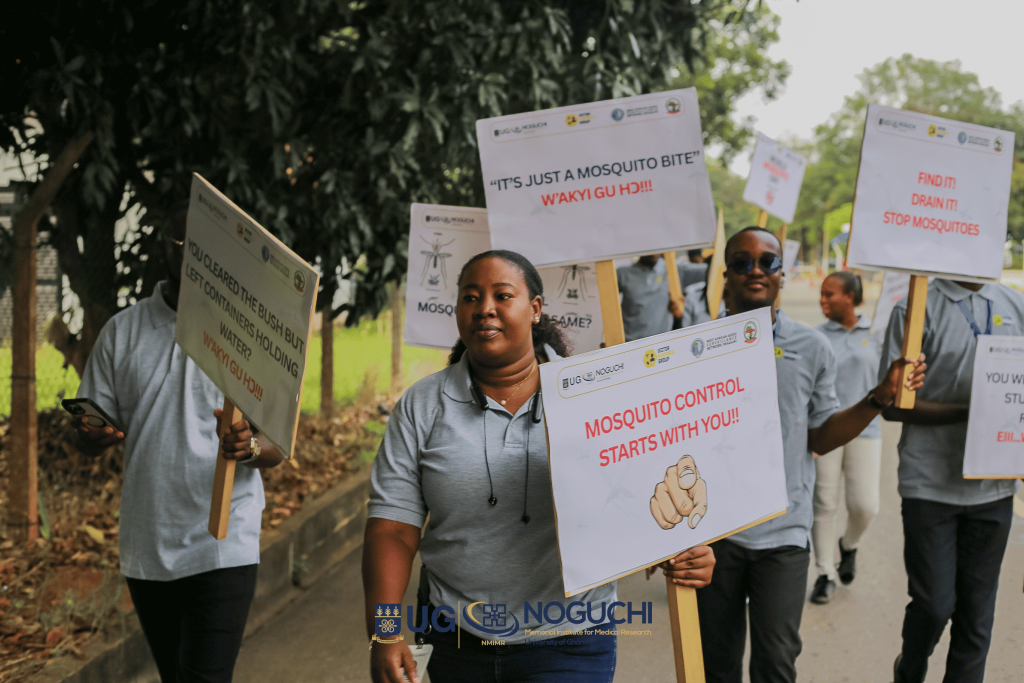
Dr. Danielle Ladzekpo, a member of the Vector Research Group at NMIMR, leads the group during the World Mosquito Day 2026 Community Awareness Walk at the University of Ghana.
The awareness walk also reinforced the importance of community participation in vector control. While researchers and public health institutions continue to generate evidence and develop strategies to address mosquito-borne diseases, individual and community action remain essential to prevention.
Through the week-long programme, the Vector Research Group created opportunities for scientific dialogue, media engagement and public education. The activities also highlighted NMIMR’s contributions to mosquito surveillance, vector biology and the development of evidence-based approaches for prevention and control of vector-borne diseases in Ghana.
More than a commemoration, World Mosquito Day 2026 demonstrated the value of linking scientific research with public education and community engagement. As mosquito-borne disease threats continue to evolve, sustained research, informed communities and strong collaborations among researchers, public health institutions and communities will remain critical to protecting public health in Ghana and beyond.
Highlights from the World Mosquito Day 2026 Community Awareness Walk.