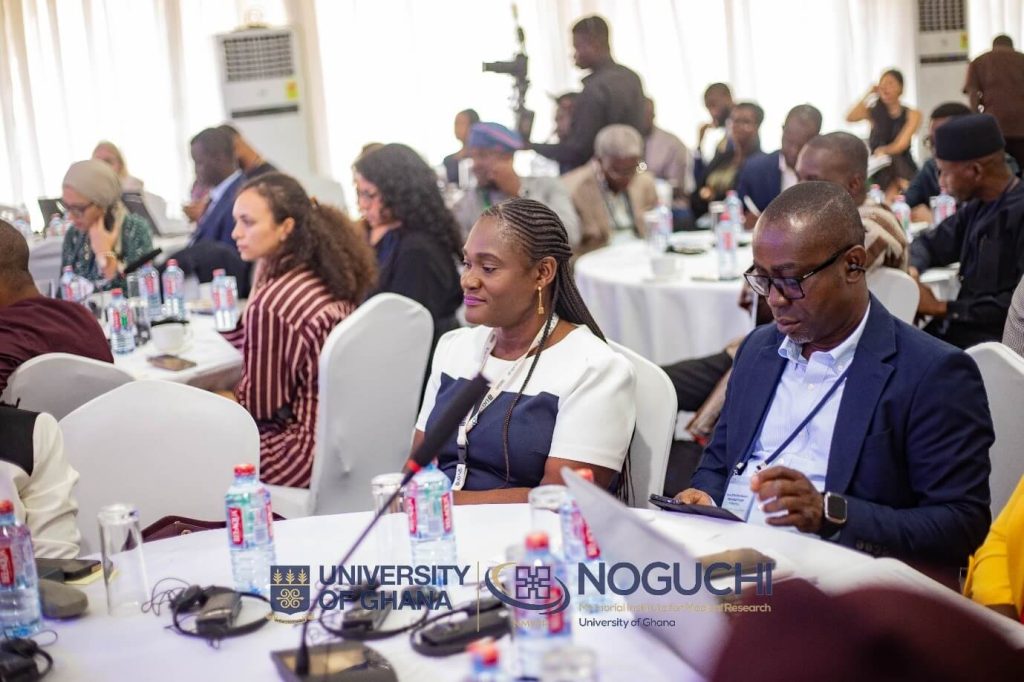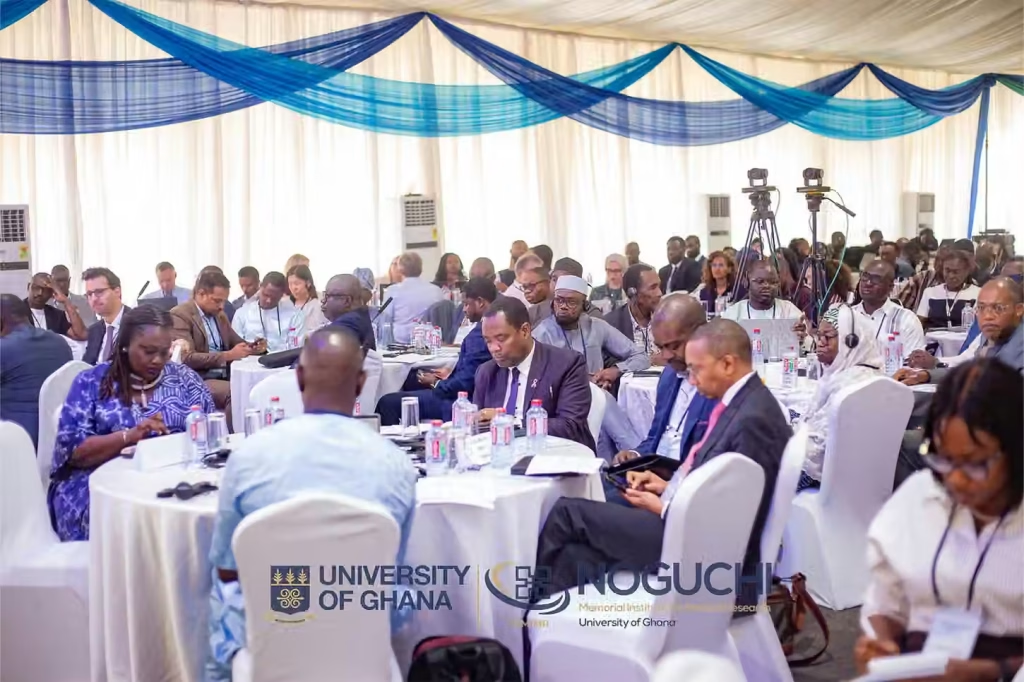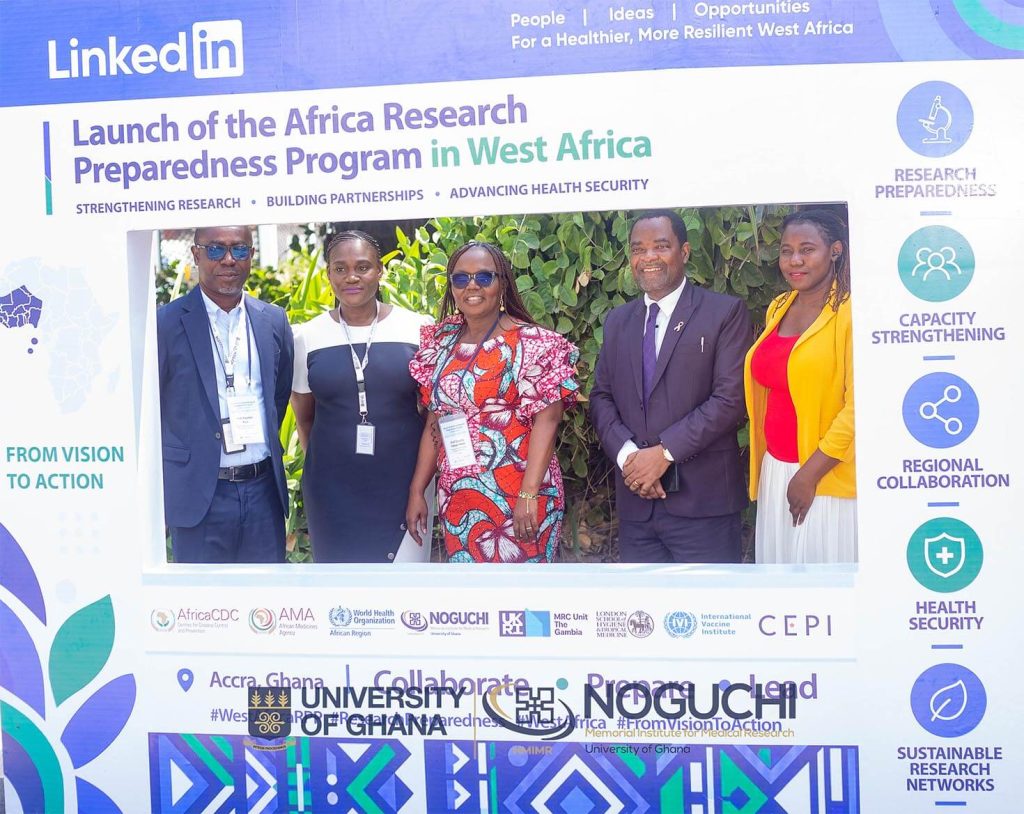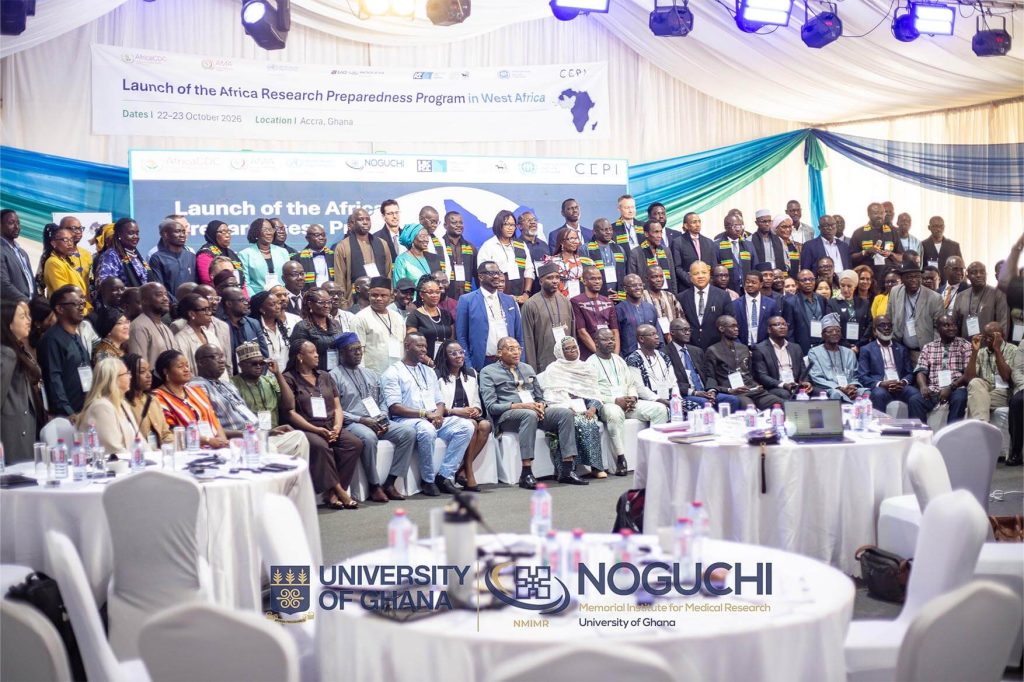
The Africa Research Preparedness Programme in West Africa (ARC-WA) was launched on 22 October 2026 at the Labadi Beach Hotel in Accra, bringing together regional and international health leaders, research institutions and development partners to establish a sustainable Emergency Research Activation System that enables the rapid activation and coordination of clinical research during outbreaks and public health emergencies.
The program was organised by the Technical Coordinating Partners, the International Vaccine Institute (IVI) and the Medical Research Council Unit The Gambia at LSHTM (MRCG) in collaboration with the Noguchi Memorial Institute for Medical Research (NMIMR), University of Ghana, the Africa Centres for Disease Control and Prevention (Africa CDC), the Coalition for Epidemic Preparedness Innovations (CEPI
The formal launch, held under the theme “From Vision to Action,” marked a step towards translating the programme’s objectives into coordinated regional action. Through its Hub-and-Spoke model, ARC-WA aims to link established research institutions with participating sites, strengthen clinical trial readiness and facilitate knowledge sharing. The programme also proposes the Africa Partnership for Emergency Evidence Generation (AfPEEG), a multisectoral mechanism intended to support coordinated evidence generation during public health emergencies.
The initiative seeks to strengthen research systems across West Africa by improving coordination among research institutions, enhancing clinical trial readiness and enabling countries to initiate high-quality vaccine clinical trials more rapidly during outbreaks of emerging and re-emerging infectious diseases. By building capacity before emergencies occur, ARC-WA aims to accelerate the generation of evidence needed to develop and deliver vaccines, diagnostics and other life-saving interventions.
Despite the presence of skilled scientists and established research institutions across the region, research preparedness remains uneven. Previous infectious disease emergencies have exposed gaps in coordination and the ability of some research sites to transition quickly from routine research to emergency response. Sustaining research capacity between outbreaks is therefore critical to ensuring that countries can act swiftly when new health threats emerge.
Delivering the welcome address on behalf of the Chief Executive Officer of Ghana’s National Vaccine Institute (NVI), Professor Samuel Essie-Baidoo, Director of Research and Development at NVI, called for sustained investment in research preparedness. He emphasised the need to strengthen human capital, infrastructure, regulatory systems and sustainable financing to support vaccine research and development, manufacturing and the broader vaccine ecosystem. He also pointed out the importance of regional collaboration, noting that infectious diseases cross national borders and require coordinated responses.
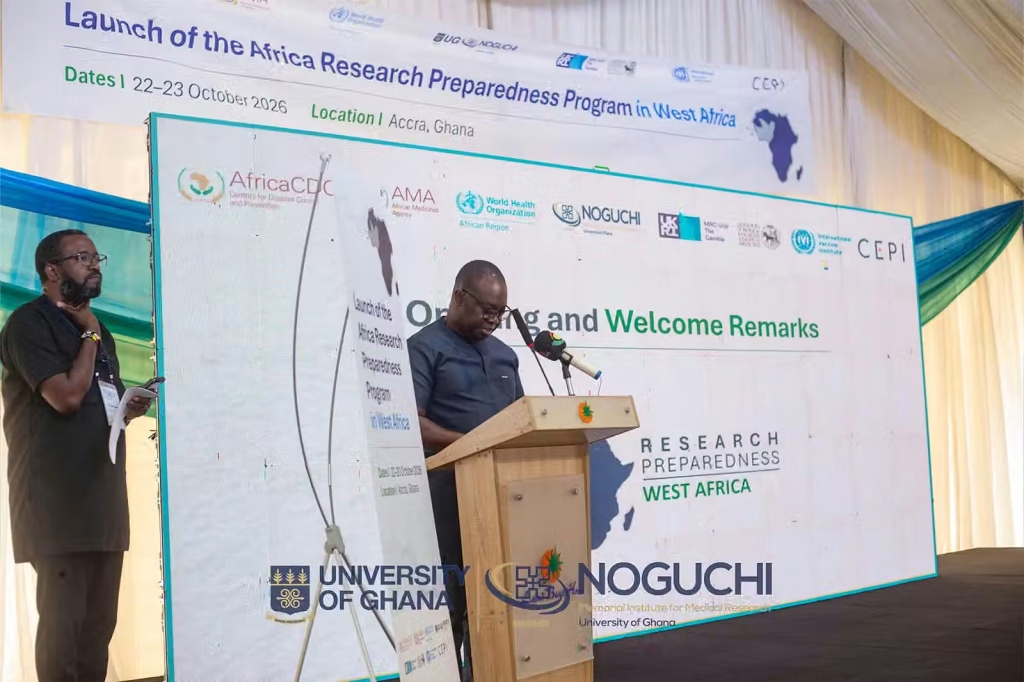
Professor Samuel Essie-Baidoo: Professor Samuel Essie-Baidoo, Director of Research and Development at NVI, delivering the opening remarks on behalf of the Chief Executive Officer.
The Director of NMIMR, Professor Dorothy Yeboah-Manu, highlighted ARC-WA’s alignment with the Institute’s mandate in research, graduate training and capacity building. She noted that West Africa’s diverse disease landscape, coupled with porous borders, language differences and uneven research and laboratory capacity, reinforces the need for stronger regional collaboration and institutions capable of supporting one another during public health emergencies.
Professor Yeboah-Manu highlighted NMIMR’s contribution to regional pathogen genomic sequencing during the COVID-19 pandemic, including support involving samples from Sierra Leone, Liberia, Togo and Benin. She reaffirmed the Institute’s commitment to the programme and its Hub-and-Spoke model, which is designed to connect established research institutions with participating sites, strengthen local capabilities and facilitate the sharing of expertise across the region.
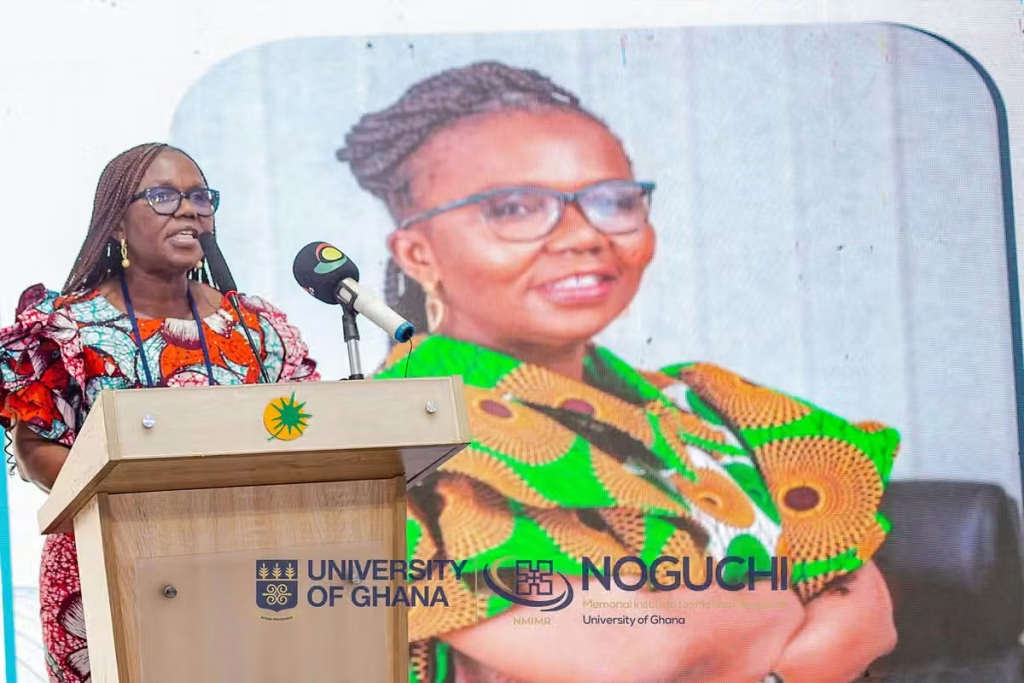
Professor Dorothy Yeboah-Manu: Professor Dorothy Yeboah-Manu, Director of NMIMR, delivering the welcome remarks.
Professor Alfred Yawson, Provost of the College of Health Sciences at the University of Ghana, welcomed participants and expressed pride in the University’s association with the initiative through NMIMR. He acknowledged the Institute’s contributions during pandemics, epidemics and infectious disease outbreaks, describing the launch as timely given the continuing threat posed by emerging and re-emerging infections.
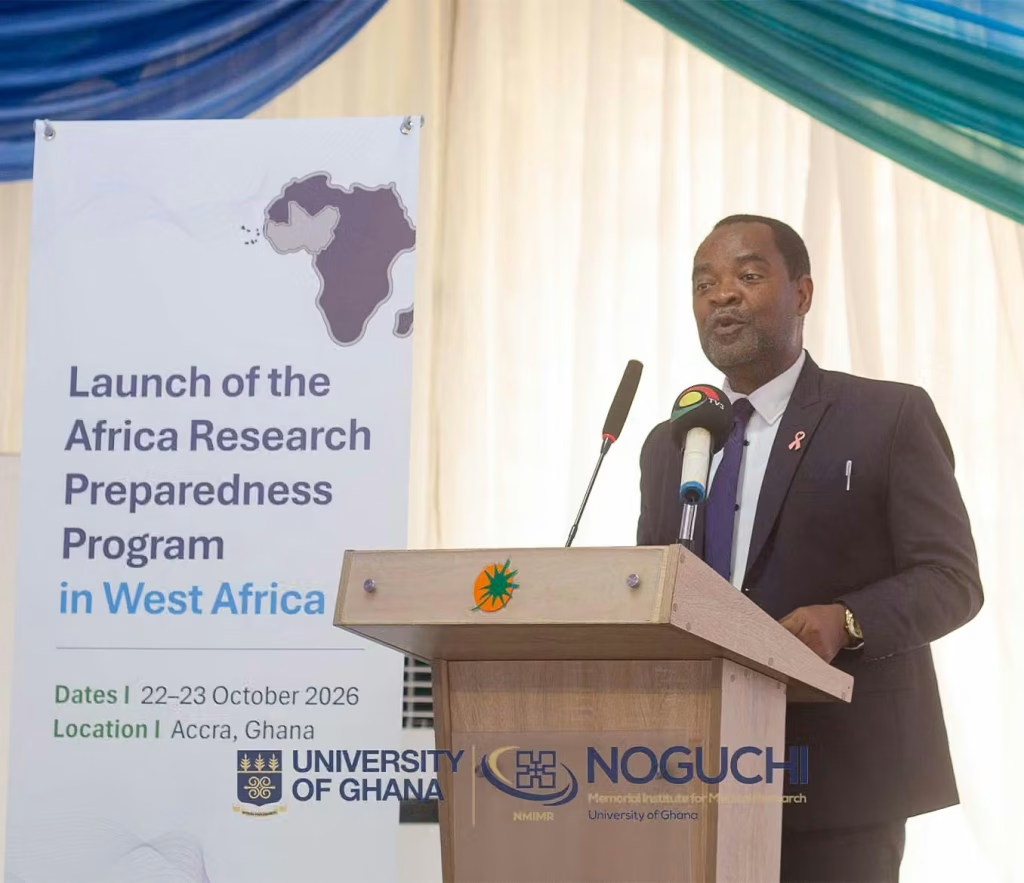
Professor Alfred Yawson, Provost of the College of Health Sciences, University of Ghana, delivering his remarks.
Speaking from a continental perspective, Professor Placide Mbala-Kingebeni of the Africa Centres for Disease Control and Prevention (Africa CDC) stressed that Africa must be equipped not only to detect health threats but also to generate the scientific evidence required to guide effective responses. He described research preparedness as a strategic necessity for health security, sovereignty and sustainable development. He further emphasised that connecting institutions through a Hub-and-Spoke approach would help share expertise, strengthen national capabilities and ensure that countries with more limited resources are not left behind. He underscored the importance of African priorities driving African research and solutions.
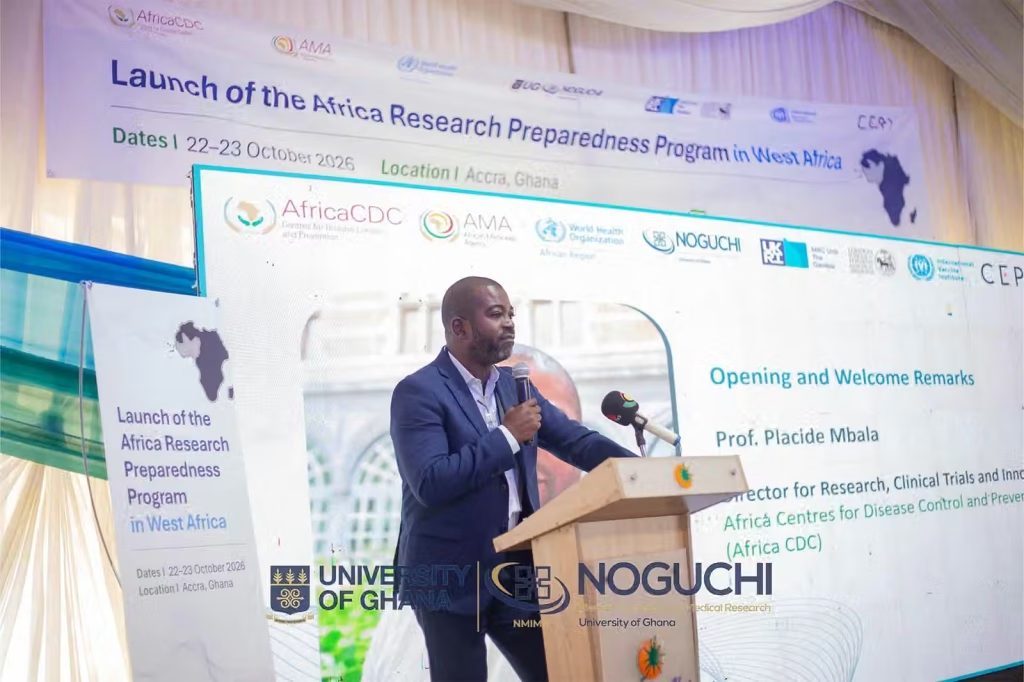
Professor Placide Mbala-Kingebeni of the Africa Centres for Disease Control and Prevention (Africa CDC), delivering his remarks.
Dr. Fiona Braka, WHO Country Representative for Ghana, speaking on behalf of the WHO Regional Director for Africa, Professor Mohamed Yakub Janabi, highlighted the longstanding collaboration between the World Health Organization (WHO) and NMIMR in laboratory systems and disease surveillance. She cited the 2015 Ebola ring vaccination trial in Guinea as an example of how research during an outbreak can generate evidence critical to public health action. She also referred to Uganda’s rapid initiation of a vaccine trial following an outbreak of Sudan virus disease as an illustration of the value of preparedness established before emergencies occur.
Dr. Braka called for research to be integrated into national preparedness plans and highlighted the importance of data and sample sharing, community engagement, regulatory cooperation and sustainable financing. She also emphasised the need for investment in training, quality assurance and research infrastructure, reaffirming WHO’s support for technical guidance, clinical trials, ethics and regulatory cooperation, and the translation of research evidence into public health action.
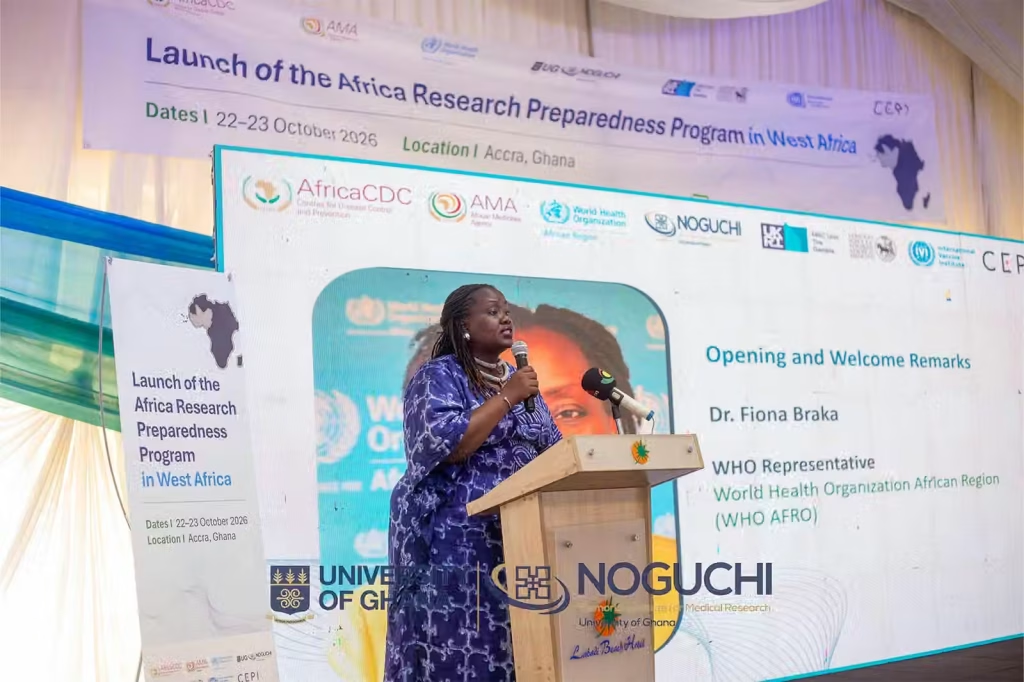
Dr. Fiona Braka, WHO Country Representative for Ghana, delivering remarks on behalf of the WHO Regional Director for Africa.
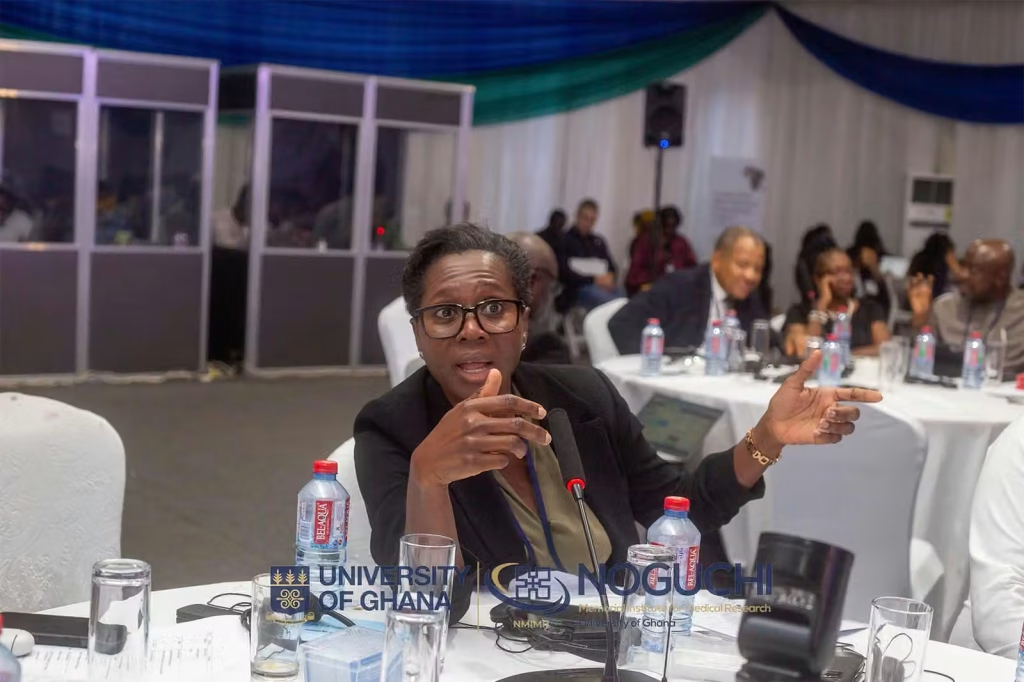
The launch also featured an audience dialogue moderated by Professor Dorothy Yeboah-Manu, providing an opportunity for participants to engage with the issues raised and discuss the partnerships, institutional capacity and investment needed to establish a sustainable, African-led research preparedness ecosystem.
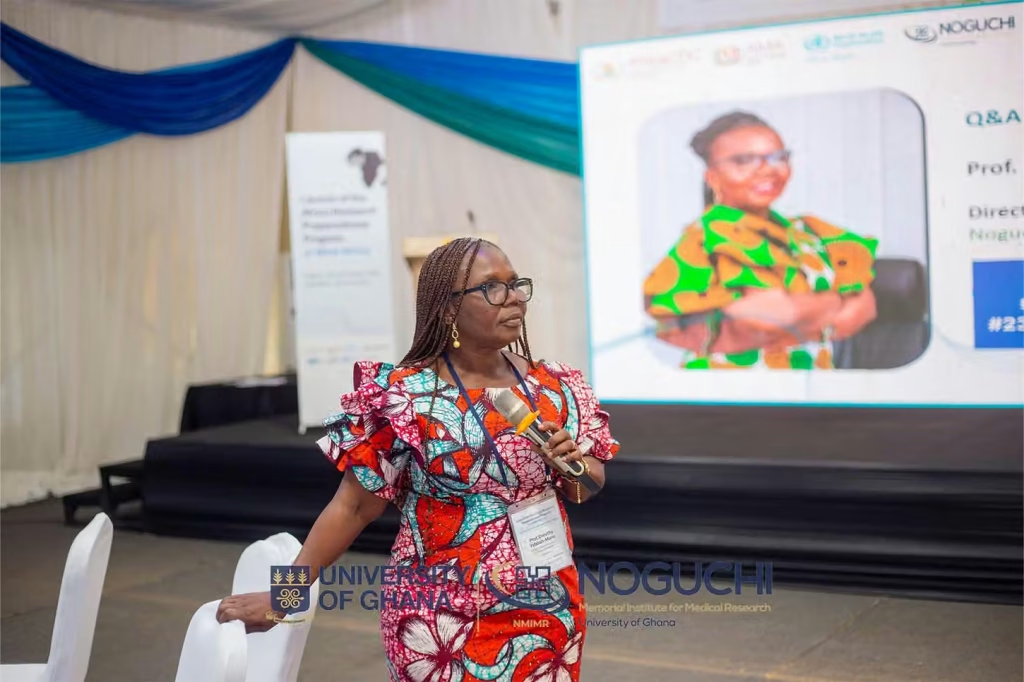
Professor Dorothy Yeboah-Manu moderating the audience dialogue during the launch of ARC-WA
A high-level leadership panel under the theme “Building a Sustainable, African-Led Research Preparedness Ecosystem” brought together Dr. Franklin Asiedu of the Ghana Health Service, Dr. Abdu Mukhtar of PVAC, Professor Samba Sow of the Coalition for Epidemic Preparedness Innovations (CEPI), and Professor Placide Mbala-Kingebeni of Africa CDC. The discussion examined the leadership, partnerships, coordination and sustained investment required to strengthen Africa’s ability to conduct research and respond effectively to public health emergencies.
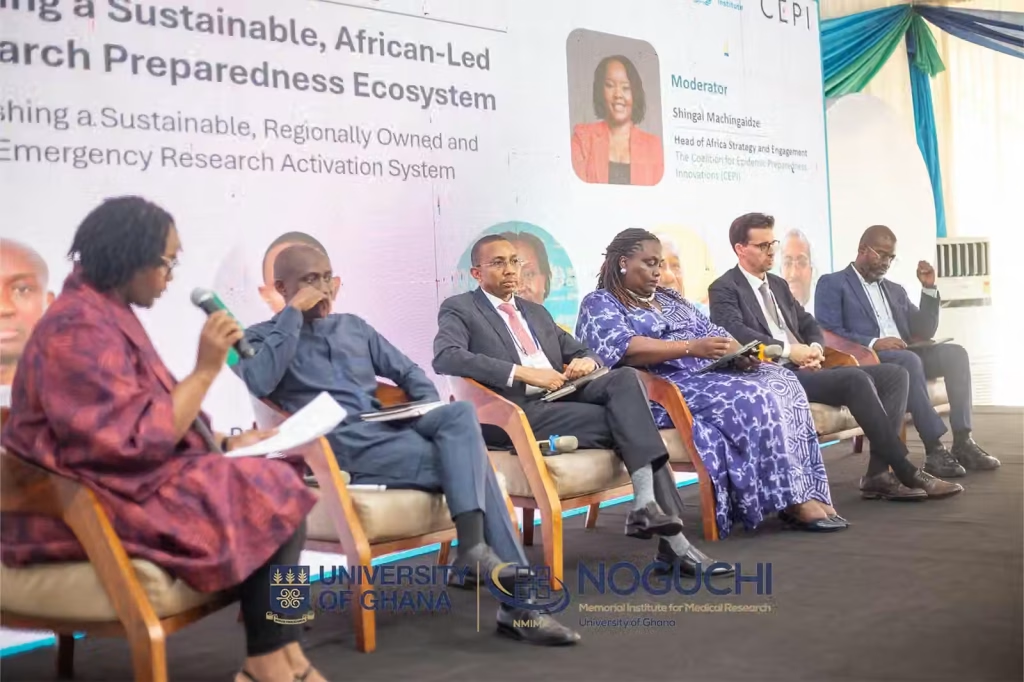
Panellists discussing “Building a Sustainable, African-Led Research Preparedness Ecosystem.”
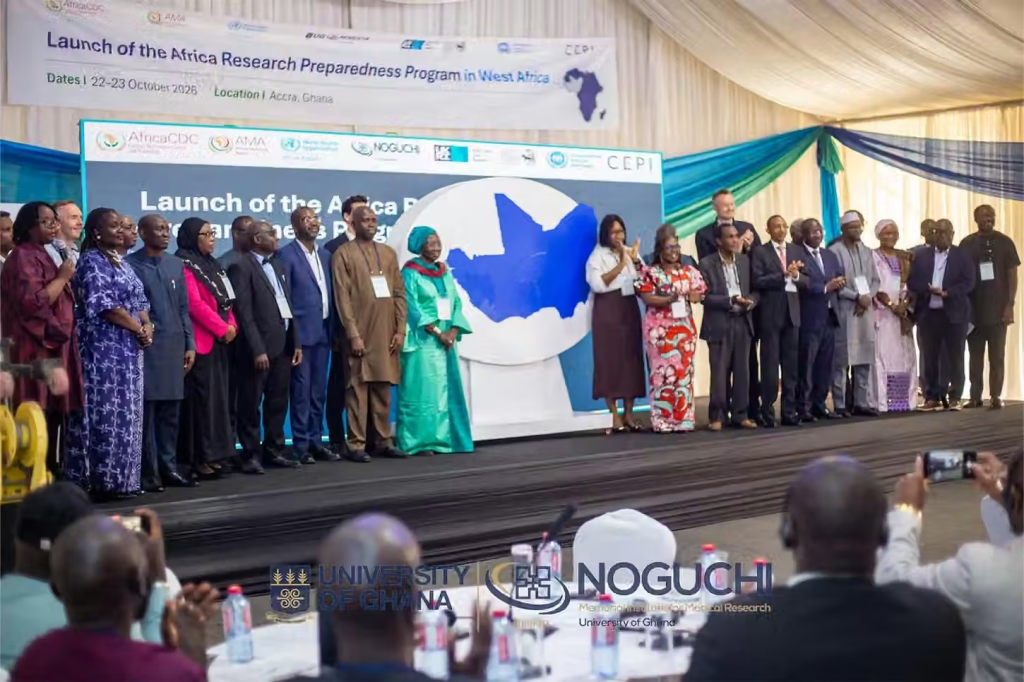
Representatives of partner institutions gathered around the map of Africa during the formal launch of ARC-WA.
ARC-WA aligns with the Africa CDC Continental Research and Development Governance Framework and CEPI’s 100 Days Mission, which seeks to accelerate the development and availability of vaccines against epidemic and pandemic threats. Its emphasis on sustained preparedness, regional coordination and faster evidence generation reflects the importance of investing in research systems before outbreaks occur, rather than attempting to build capacity only when emergencies arise.
The programme brings together key regional and international partners, including Africa CDC, CEPI, NMIMR, the International Vaccine Institute (IVI), the Medical Research Council Unit The Gambia at the London School of Hygiene & Tropical Medicine (MRCG at LSHTM), the African Medicines Agency (AMA), WHO Regional Office for Africa (WHO AFRO), and the West African Health Organisation (WAHO).
As ARC-WA moves towards implementation, sustained investment, strong partnerships and effective coordination will be essential to achieving its objectives. For NMIMR and its partners, the initiative represents an opportunity to strengthen West Africa’s research capabilities, improve readiness for future health emergencies and advance an African-led approach to generating the evidence needed to protect public health across the continent and beyond.
Highlights from the ARC-WA Launch